The Iron Ore Mining Process: A Comprehensive Flow Chart and Industry Insights
The mining of iron ore is a critical process that fuels global steel production. This article explores the iron ore mining flow chart, key equipment used, and the role of crushing and grinding machinery in the industry.
Iron ore is a vital raw material for steel manufacturing, with major deposits found in Australia, Brazil, China, and India. The extraction process involves drilling, blasting, crushing, screening, and beneficiation to produce high-grade ore for steel mills.
1. Exploration & Drilling – Geologists identify deposits, followed by core drilling to assess quality.
2. Blasting & Extraction – Explosives break down large rock formations for excavation.
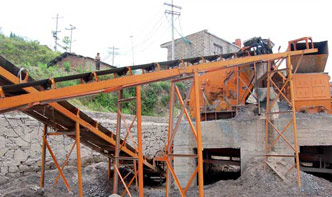
3. Primary Crushing – Large jaw crushers or gyratory crushers reduce ore to manageable sizes (150–200mm).
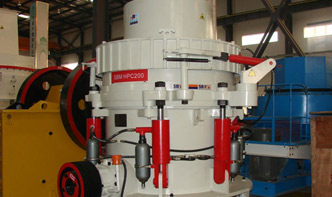
4. Secondary & Tertiary Crushing – Cone crushers or impact crushers further reduce ore to 10–30mm.
5. Screening – Vibrating screens separate fine and coarse particles for efficient processing.
6. Grinding (Beneficiation) – Ball mills grind ore into fine powder for magnetic separation or flotation to remove impurities.
7. Pelletizing/Sintering – Fine ore is agglomerated into pellets or sinter for blast furnace use.
Q1: What is the typical size of iron ore after primary crushing?
A: Usually 150–200mm before secondary crushing reduces it further.
Q2: Why is beneficiation necessary?
A: It increases iron content (from ~30% to ~65%) by removing silica, alumina, and phosphorus impurities.
Q3: Which crusher is best for hard iron ores?
A: Gyratory crushers handle abrasive ores efficiently, while cone crushers offer finer output control.
A leading mining company deployed a three-stage crushing system (jaw + cone + VSI crusher) to process hematite ore, achieving 25% higher throughput while reducing energy consumption by 15%. Advanced screening ensured optimal particle size before shipment to steel plants in Asia.
Efficient iron ore mining relies on optimized crushing and grinding circuits to maximize yield and minimize waste. Innovations in wear-resistant materials and automation continue to drive productivity in this essential industry sector.

