Terrazzo Primary Crusher Supplies: Powering the Aggregates Industry
The aggregates industry is the backbone of modern construction, providing essential materials like sand, gravel, and crushed stone for infrastructure projects worldwide. Among these materials, terrazzo—a composite of chips and binding agents—requires specialized processing. A primary crusher is the first critical step in transforming raw terrazzo into usable aggregates, ensuring efficiency and quality in downstream applications.
Primary crushers are designed to handle large, unprocessed chunks of terrazzo or natural stone, reducing them to manageable sizes for further refinement. Key types include jaw crushers (for high compressive strength materials) and impact crushers (for softer aggregates). For terrazzo, a robust jaw crusher is often preferred due to its ability to process hard, abrasive materials with minimal wear.
Core Features of Terrazzo Primary Crushers:
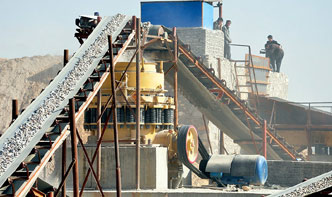
1. Abrasion Resistance: Terrazzo’s hardness demands crushers with advanced metallurgy (e.g., manganese steel jaws).
2. Dust Control: Integrated water sprays or dust suppression systems comply with environmental regulations.
3. Energy Efficiency: Modern crushers optimize power use, lowering operational costs.
Q1: What’s the ideal primary crusher for terrazzo?
A: Jaw crushers are optimal for their durability and high reduction ratio.
Q2: How to minimize maintenance costs?
A: Regular inspections, timely replacement of wear parts, and proper lubrication are critical.
Q3: Can recycled terrazzo be processed?
A: Yes, but pre-sorting (removing metal or adhesives) is necessary to avoid crusher damage.
A construction firm in Italy deployed a jaw crusher to recycle demolition terrazzo into base material for new flooring. The setup included a vibrating feeder and dust suppression system, achieving 95% material reuse and reducing landfill waste by 40%.
Investing in the right primary crusher ensures efficient terrazzo processing, balancing productivity with sustainability. As the industry evolves, innovations in crushing technology will continue to drive cost-effective and eco-friendly solutions for aggregate production.

