The Iron Ore Mining Value Chain in Australia: A Focus on Crushing and Sand Making Equipment
Australia is a global leader in iron ore production, with a well-established mining value chain that spans exploration, extraction, processing, and transportation. A critical segment of this chain is the crushing and sand-making phase, where raw iron ore is transformed into usable aggregates or further processed into high-grade concentrates.
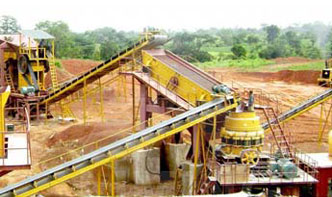
Iron ore mining in Australia relies heavily on robust crushing and screening equipment to handle the hard, abrasive nature of the material. Primary crushers (e.g., jaw crushers) break down large ore chunks, while secondary and tertiary crushers (cone crushers, impact crushers) refine the material to desired sizes. Sand-making equipment, such as vertical shaft impactors (VSIs), plays a key role in producing manufactured sand for construction or pelletizing processes.
1. Jaw Crushers: Ideal for primary crushing due to high capacity and durability.
2. Cone Crushers: Provide precise particle size reduction for secondary/tertiary stages.
3. Vertical Shaft Impactors (VSIs): Produce cubical sand particles ideal for industrial use.
4. Screens and Classifiers: Ensure optimal grading for downstream processes like beneficiation.
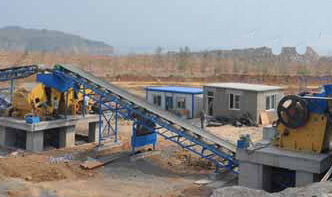
Q: What is the typical output size after tertiary crushing?
A: Ranges from 0-10mm for pellet feed or 5-20mm for aggregates.
Q: How does VSI improve sand quality?
A: It enhances particle shape (cubical) and reduces microfines, improving concrete strength.
A Western Australian mine upgraded its crushing circuit with a multi-stage VSI system, increasing sand yield by 25% while reducing waste. The solution included modular screens for flexibility in changing ore grades.
By optimizing crushing and sand-making processes, Australian miners ensure efficient resource utilization while meeting global demand for high-quality iron ore products.

