Understanding the Difference Between Cone and Impact Crushers in Aggregate Processing
The aggregate and sand production industry relies heavily on crushers to break down large rocks into smaller, usable materials. Two of the most common types are cone crushers and impact crushers, each with distinct working principles, applications, and advantages.
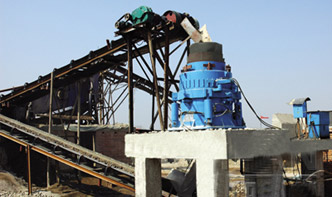
– Operates via compression crushing, where materials are squeezed between a mantle and concave liner.
– Ideal for hard, abrasive materials (e.g., granite, basalt).
– Produces uniformly shaped, cubical end products with minimal fines.
– Typically used in secondary or tertiary crushing stages.
– Uses impact force (hammers/blow bars striking materials at high speed).
– Better for softer or less abrasive rocks (e.g., limestone, recycled concrete).
– Generates more fines and irregularly shaped particles.
– Often deployed as primary or secondary crushers.
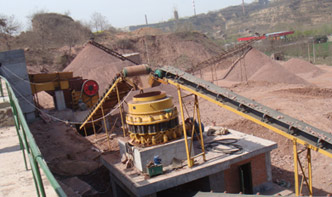
Cone crushers generally offer higher throughput for hard rocks.
Only if material abrasiveness is low—otherwise, wear costs rise significantly.
Choosing between cone and impact crushers depends on material properties, desired output, and operational costs. While cone crushers dominate in durability and precision for hard rocks, impact crushers provide versatility for recycling and softer stone applications. Proper selection ensures optimal efficiency in aggregate production lines.

