The Hardgrove Grindability Index (HGI) and Its Role in Crushing and Grinding Equipment for Aggregate Production
The aggregate industry relies heavily on efficient crushing and grinding equipment to produce high-quality sand and stone materials for construction, roadbuilding, and infrastructure projects. Among the critical parameters used to evaluate the grindability of raw materials like coal, limestone, and clinker, the Hardgrove Grindability Index (HGI) stands out as a key metric for optimizing equipment performance.
Aggregate production demands precise control over particle size distribution and energy consumption. The HGI test, originally developed for coal, has been adapted to assess the grindability of minerals in the aggregate sector. A higher HGI indicates softer materials that require less energy to grind, while a lower HGI suggests harder, more abrasive substances. Understanding HGI helps manufacturers select the right equipment—such as jaw crushers, cone crushers, or vertical shaft impactors (VSIs)—to achieve optimal efficiency.
1. Jaw Crushers: Ideal for primary crushing of high-HGI materials, reducing large rocks to manageable sizes.
2. Cone Crushers: Suited for secondary/tertiary crushing of medium-HGI aggregates, ensuring uniformity.
3. Vertical Shaft Impactors (VSIs): Efficient for shaping low-HGI materials into high-quality sand with low fines generation.
4. Ball Mills & Raymond Mills: Used for fine grinding, where HGI directly impacts wear rates and power consumption.
Engineers must calibrate equipment settings (e.g., speed, pressure, and feed size) based on HGI to minimize wear and maximize throughput.
Q: How is HGI tested for aggregates?
A: A standardized test involves grinding a 50g sample in a lab-scale mill, then sieving and comparing results to a calibration curve.
Q: Can HGI predict equipment wear?
A: Yes—low-HGI materials increase wear on grinding rolls, hammers, and liners, necessitating frequent maintenance.
Q: Does HGI affect energy costs?
A: Absolutely. Low-HGI materials demand higher energy input, impacting operational expenses.
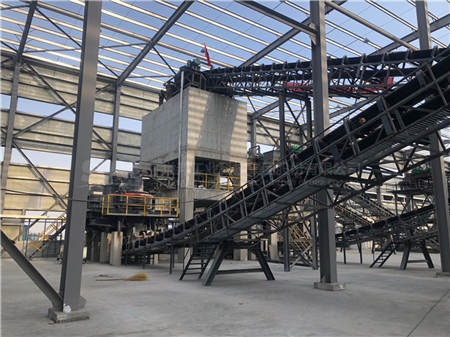
A limestone quarry in Texas used HGI data to optimize its VSI crusher settings, reducing energy consumption by 15% while maintaining product gradation. Pre-crushing with a jaw crusher (for high-HGI zones) and fine-tuning the VSI (for low-HGI zones) extended equipment lifespan by 20%.
The Hardgrove Grindability Index is a vital tool for the aggregate industry, guiding equipment selection and operational strategies. By leveraging HGI data, producers can enhance efficiency, reduce costs, and ensure consistent product quality—key factors in a competitive market.

