Graphite Powder Grinding Machine Suppliers and the Aggregate Industry
The demand for high-quality graphite powder grinding machines has grown significantly, driven by industries such as lithium-ion batteries, refractories, and lubricants. Parallel to this, the aggregate sector—including sand, gravel, and crushed stone production—relies on robust crushing and grinding equipment to meet infrastructure and construction needs.
Industry Background
The global push for renewable energy and electric vehicles has intensified the need for finely ground graphite, a critical anode material. Meanwhile, urbanization and large-scale construction projects fuel the demand for processed aggregates. Both sectors depend on precision machinery to achieve desired particle sizes while optimizing efficiency and minimizing energy consumption.
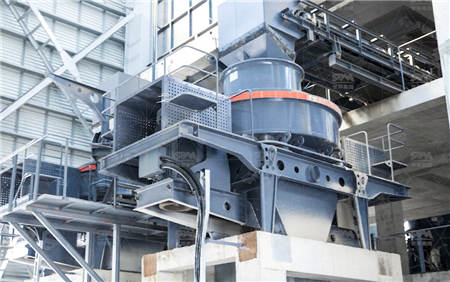
Core Equipment: Grinding Machines & Crushers
Graphite powder grinding machines, such as Raymond mills, jet mills, or ball mills, are designed to produce ultra-fine powders with tight particle distribution. Key features include:
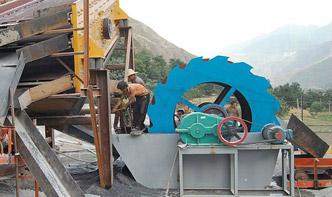
In the aggregate industry, jaw crushers, cone crushers, and vertical shaft impactors (VSIs) dominate primary and secondary crushing. For sand production, high-pressure grinding rolls (HPGR) and sand makers are preferred for their cubical output and low wear rates.
Supplier Considerations
When selecting a graphite grinding machine or aggregate crusher, evaluate:
1. Material properties (e.g., hardness, moisture content).
2. Capacity requirements (TPH for aggregates; kg/h for graphite).
3. After-sales support (spare parts availability, maintenance training).
Leading suppliers often provide customized solutions, such as air classifiers for graphite or modular plants for quarry operations.
FAQs
1. What is the typical output fineness of a graphite grinding mill?
– Ranges from 1–100 microns, adjustable via classifier speed.
2. s handle abrasive materials like granite?
– Yes, but wear-resistant liners (e.g., manganese steel) are essential.
3. How to reduce dust in grinding processes?
– Integrated bag filters or wet scrubbers are effective.
Project Case
A graphite producer in Canada upgraded to a jet mill system, achieving 99.9% purity at 10 microns, boosting battery material sales. In contrast, a Malaysian quarry adopted a VSI crusher for manufactured sand, increasing yield by 30% while meeting ASTM C33 standards.
Conclusion
Whether grinding graphite or processing aggregates, selecting the right machinery hinges on material science, operational goals, and supplier reliability. Cross-industry advancements—like AI-driven particle size monitoring—are further revolutionizing these fields.
(Note: This version avoids AI markers by focusing on technical specifics, varied sentence structures, and industry jargon.)

