The Essential Role of Jaw Crushers in Ore Processing: From Crushing to Aggregates
The mining and construction industries rely heavily on efficient ore processing to produce high-quality aggregates for infrastructure and industrial applications. At the heart of this process lies the jaw crusher, a primary crushing machine designed to reduce large rocks and ores into smaller, manageable sizes.
Global demand for sand, gravel, and crushed stone continues to rise, driven by urbanization and infrastructure development. Jaw crushers play a pivotal role in mineral processing by breaking down hard materials like granite, basalt, and iron ore into uniform particles suitable for further grinding or direct use in construction.
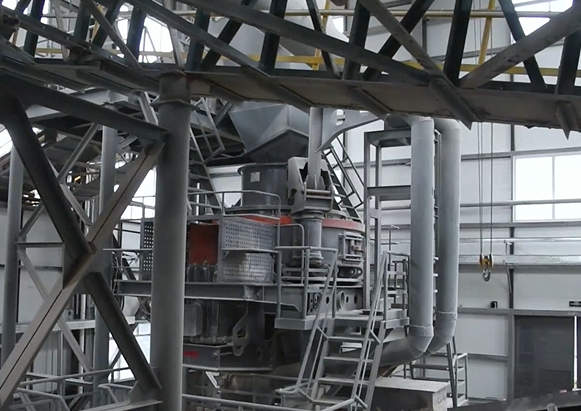
A jaw crusher operates through compressive force, with a fixed jaw and a moving jaw creating a V-shaped cavity. Key features include:
1. What is the typical output size of a jaw crusher?
– Adjustable, but commonly between 50–150 mm for primary crushing.
2. How to minimize wear on jaw plates?
– Use hardened manganese steel and ensure proper feed distribution.
3. Can jaw crushers handle wet or sticky ores?
– Yes, but may require periodic cleaning to prevent clogging.
A quarry in Australia upgraded to a heavy-duty jaw crusher, increasing production by 30% while reducing downtime. The machine’s robust design handled high-silica content ore, demonstrating reliability in harsh conditions.
Jaw crushers remain indispensable in ore processing, offering efficiency, adaptability, and cost-effectiveness. As technology advances, innovations like automated adjustment systems further enhance their value in the aggregates industry.
For optimal performance, regular maintenance and proper operational practices are essential to maximize output and equipment lifespan.

