Stone Crushing and Pollution Control in Gujarat: Industry Insights and Solutions
The stone crushing industry plays a vital role in Gujarat’s infrastructure development, supplying raw materials for construction, roads, and concrete. However, environmental concerns, particularly dust and noise pollution, have led to stringent regulations under the Gujarat Pollution Control Board (GPCB). This article explores the legal framework, technological advancements, and sustainable practices in the sector.
Regulatory Framework
The GPCB enforces the Air (Prevention and Control of Pollution) Act, 1981 and Environmental Protection Rules, 1986, mandating crushing units to:
1. Install dust suppression systems (e.g., water sprinklers, enclosures).
2. Maintain a minimum 500-meter distance from residential areas.
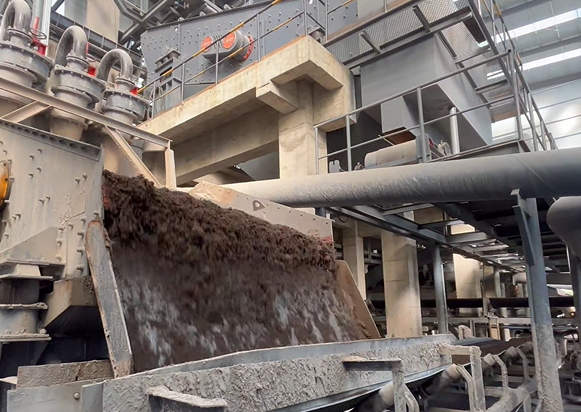
3. Use covered conveyor belts and vibrating screens to reduce particulate emissions.
Non-compliance risks penalties or shutdowns.
Core Technologies for Pollution Control
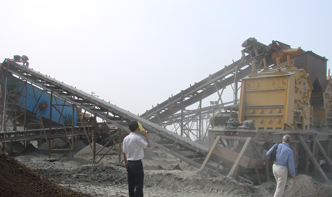
Modern stone crushers integrate eco-friendly features:
Common FAQs
1. What permits are required?
Consent to Establish (CTE) and Consent to Operate (CTO) from GPCB, alongside an Environmental Impact Assessment (EIA) for large units.
2. How to control silica dust?
Use mist cannons, bag filters, or ISO-certified enclosed crushing units.
3. Are solar-powered crushers viable?
Yes, Gujarat’s solar incentives make hybrid crushers cost-effective for remote sites.
Case Study: Sustainable Crusher Unit in Ahmedabad
A 200-TPH plant adopted a multi-stage dust control system, including:
Result: Achieved 30% lower PM10 emissions and 20% operational cost savings.
Future Trends
By aligning with regulations and adopting green technologies, Gujarat’s stone crushing industry can balance productivity and environmental stewardship.
(Note: Gujarat-specific policies may evolve; always consult GPCB for latest guidelines.)

