Feasibility Study for a Crushing Plant Project in the Aggregates Industry
Industry Background
The global demand for crushed stone, sand, and gravel (aggregates) continues to rise, driven by infrastructure development, urbanization, and construction activities. Aggregates are essential raw materials for concrete, asphalt, and road base layers. A well-planned crushing plant is critical to meeting quality standards, optimizing production efficiency, and ensuring profitability in this competitive sector.
Core Considerations for a Crushing Plant Project
1. Market Demand & Site Selection
– Analyze local demand for aggregates, competitor presence, and transportation costs.
– Proximity to raw material sources (quarries, riverbeds) reduces logistics expenses.
2. Equipment Selection
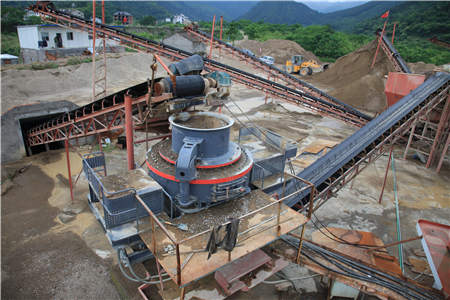
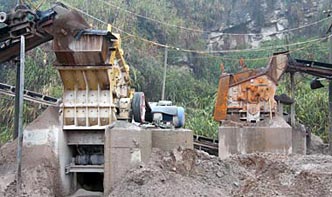
– Primary Crushers: Jaw or gyratory crushers for coarse crushing.
– Secondary/Tertiary Crushers: Cone or impact crushers for finer aggregates.
– Screening & Washing Systems: Ensure gradation and remove impurities.
– Mobile vs. stationary plants: Mobile units suit short-term projects; stationary plants offer higher capacity.
3. Regulatory Compliance
– Obtain environmental permits (dust, noise, water discharge controls).
– Comply with safety standards (e.g., OSHA, ISO).
4. Financial Viability
– Capital expenditure (CAPEX): Equipment, land, and installation costs.
– Operational costs (OPEX): Fuel, maintenance, labor, and spare parts.
– ROI calculation based on production volume and market prices.
Common FAQs
1. What is the typical lifespan of a crushing plant?
With proper maintenance, key components last 10–15 years, though wear parts (liners, blow bars) require regular replacement.
2. How to minimize environmental impact?
Use dust suppression systems, enclosed conveyors, and recycle water in washing plants.
3. What’s the production capacity range?
Small plants: 50–200 TPH; large-scale operations: 500–1,000+ TPH.
Engineering Case Example
A project in Texas, USA, utilized a 300 TPH modular crushing plant to produce road base materials. By selecting a three-stage crushing circuit (jaw + cone + VSI crushers), the plant achieved high-quality cubical aggregates, reducing the need for additional processing. The ROI was achieved within 2.5 years due to high local demand and efficient logistics.
Conclusion
A crushing plant project’s success hinges on thorough feasibility analysis, tailored equipment selection, and compliance with regulations. Partnering with experienced equipment suppliers and consultants can mitigate risks and optimize long-term profitability.