The Crushing and Sand-Making Equipment Industry: A Comprehensive Overview
Industry Background
The aggregate and sand-making industry is a cornerstone of modern construction and infrastructure development. With urbanization and large-scale projects driving demand, high-quality crushed stone, sand, and gravel are essential for concrete, asphalt, and road bases. Crushing and sand-making equipment plays a pivotal role in transforming raw materials like granite, limestone, and river pebbles into usable aggregates with precise particle sizes.
Core Products and Technologies
1. Jaw Crushers: Primary crushing machines designed for hard and abrasive materials, offering high efficiency and low maintenance.
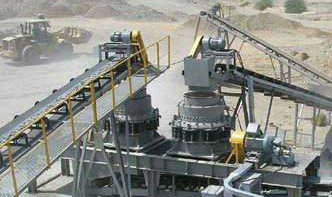
2. Cone Crushers: Ideal for secondary and tertiary crushing, producing finely graded aggregates with superior cubicity.
3. Impact Crushers: Versatile for both soft and medium-hard materials, often used in sand-making circuits for shaping aggregates.
4. Sand Makers (VSI Crushers): Key equipment for producing artificial sand with excellent gradation and particle shape, critical for high-strength concrete.
5. Mobile Crushing Plants: Increasingly popular for on-site processing, reducing transportation costs and improving flexibility.
Key Considerations for Equipment Selection
Common FAQs
A: Natural sand is extracted from riverbeds, while manufactured sand is produced by crushing rocks, offering better control over particle shape and gradation.
A: Use water sprays, dust collectors, and enclosed conveyor systems.
A: With proper maintenance, jaw and cone crushers can last 10–15 years, while wear parts like liners may need replacement every 6–12 months.
Engineering Case Study
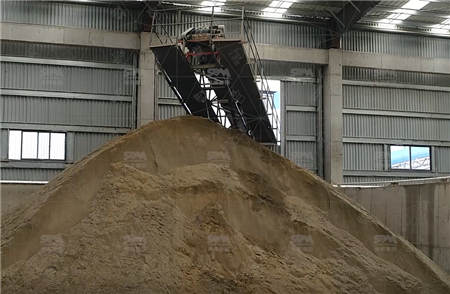
A quarry in Texas upgraded its fixed crushing plant to a mobile setup, increasing production by 30% while reducing fuel costs. The new system included a jaw crusher for primary crushing, a cone crusher for secondary processing, and a VSI sand maker for fine aggregates, achieving a 0–5mm sand yield of 40%.
Conclusion
The crushing and sand-making equipment industry continues to evolve with advancements in automation, energy efficiency, and sustainability. Selecting the right machinery and optimizing processes are critical for maximizing productivity and meeting stringent quality standards in construction.

