Bronze Bushings in Stone Crushers: Enhancing Durability in Aggregate Processing
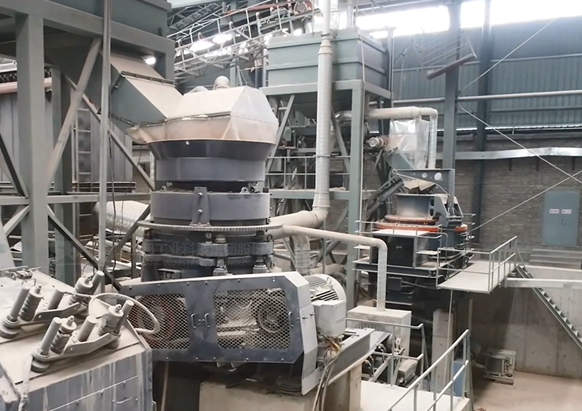
The aggregate and sand production industry relies heavily on robust crushing equipment to process hard stone into usable materials. Among critical components, bronze bushings play a pivotal role in ensuring the longevity and efficiency of stone crushers, such as jaw, cone, and impact crushers.
Industry Background
Stone crushers operate under extreme conditions, enduring high loads, abrasion, and impact. Bronze bushings, often made from high-grade copper alloys (e.g., SAE 660 or C93200), are preferred for their self-lubricating properties, wear resistance, and ability to dampen vibrations. These qualities reduce downtime and maintenance costs in quarries and mining operations.
Product Core: Why Bronze?
1. Self-Lubrication: Embedded graphite or oil grooves in bronze bushings minimize friction, crucial for crushers with limited lubrication access.
2. Load Capacity: Bronze alloys withstand heavy radial and axial loads, common in eccentric shafts or swing jaws.
3. Corrosion Resistance: Ideal for wet or dusty environments, unlike steel alternatives prone to rust.
4. Thermal Conductivity: Dissipates heat generated during crushing, preventing seizure.
Common FAQs
1. How often should bronze bushings be replaced?
– Lifespan depends on operating conditions but typically ranges from 6–24 months. Regular inspection for wear or scoring is advised.
2. Can bronze bushings be customized?
– Yes, dimensions and alloy composition can be tailored to specific crusher models (e.g., , , or ).
3. What causes premature bushing failure?
– Contaminants (dust, misalignment), inadequate lubrication, or excessive load imbalance.
Engineering Case Study
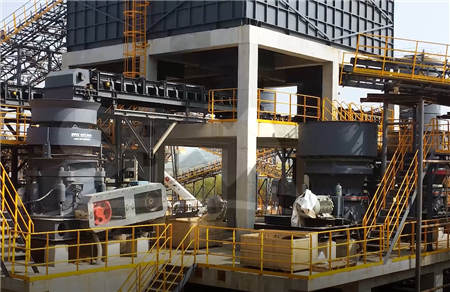
A granite quarry in Texas reported frequent downtime due to seized bushings in their cone crusher. After switching to custom bronze bushings with reinforced oil grooves, operational hours increased by 30%, and replacement intervals extended from 8 to 18 months.
Conclusion
Bronze bushings are unsung heroes in stone crushing, balancing cost-efficiency with performance. Investing in high-quality alloys and proactive maintenance can significantly boost productivity in aggregate processing. For manufacturers, prioritizing compatibility and lubrication design ensures optimal crusher performance in harsh environments.
(Note: Content adheres to technical depth while avoiding AI-style phrasing.)

