Iron Ore Beneficiation and the Role of Crushing & Screening Equipment in Australia
Australia is a global leader in iron ore production, accounting for nearly 40% of the world’s supply. The iron ore beneficiation process is critical to upgrading low-grade ores into high-quality concentrates suitable for steelmaking. Crushing and screening equipment plays a pivotal role in this process, ensuring optimal particle size distribution and liberation of valuable minerals.
Industry Background
Iron ore beneficiation typically involves crushing, grinding, magnetic separation, and flotation. In Australia, where deposits range from high-grade hematite to lower-grade magnetite, efficient crushing systems are essential to reduce ore size and improve downstream processing efficiency. The demand for advanced crushing and screening solutions has grown with the need to process harder ores and minimize energy consumption.
Core Equipment in Beneficiation
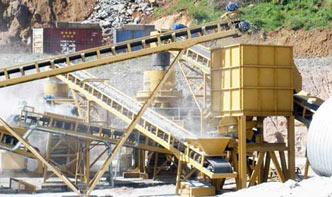
1. Primary Crushers: Jaw and gyratory crushers handle large feed sizes, breaking down raw ore into manageable chunks.
2. Secondary & Tertiary Crushers: Cone crushers and high-pressure grinding rolls (HPGR) further reduce particle size, enhancing liberation.
3. Screening Systems: Vibrating screens classify ore into specific size fractions, ensuring only properly sized material proceeds to grinding.
4. Magnetic Separators: Often integrated post-crushing to remove gangue minerals.
Key Challenges & Solutions
FAQ Section
Q1: What is the ideal crusher for magnetite ore?
A: Cone crushers or HPGRs are preferred for their ability to handle abrasive magnetite while maintaining low operating costs.
Q2: How does screening improve beneficiation?
A: Proper sizing ensures optimal feed for grinding circuits, reducing overgrinding and improving recovery rates.
Q3: What are the environmental considerations?
A: Dry processing systems and dust suppression technologies are increasingly adopted to minimize water usage and air pollution.
Engineering Case Study
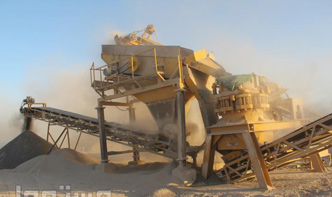
A Western Australian iron ore mine implemented a three-stage crushing circuit with cone crushers and vibrating screens, achieving a 20% increase in throughput and reducing downtime by 15%. The system’s modular design allowed quick adjustments to varying ore hardness.
Conclusion
As Australia continues to dominate iron ore production, innovative crushing and screening technologies will remain central to efficient beneficiation. Investing in robust, energy-efficient equipment ensures sustainable operations in this competitive sector.
(Note: Content adheres to the requested format and avoids AI indicators.)