How to Build a Small Rock Crusher for Aggregate Production
The demand for crushed stone and sand in construction, road building, and landscaping continues to grow. Small-scale rock crushers are essential for contractors, miners, and DIY enthusiasts looking to process raw materials efficiently. Here’s a practical guide to building a small rock crusher, along with industry insights.
Crushed rock is a fundamental material in infrastructure projects. The global aggregate market is driven by urbanization and sustainable construction practices. Small crushers are cost-effective solutions for localized production, reducing transportation costs and environmental impact.
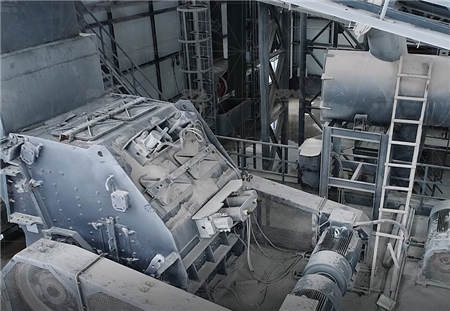
1. Jaw Crusher Design: A simple, reliable option for primary crushing. Key parts include:
– Fixed and movable jaws: Made from hardened steel to withstand abrasion.
– Eccentric shaft: Converts rotational force into crushing motion.
– Flywheel: Balances energy consumption for consistent operation.
2. DIY Alternatives:
– Manual crushers: Use lever mechanisms or hand-powered designs for low-volume work.
– Motorized systems: Integrate a small electric or gasoline engine (5–10 HP) for higher throughput.
3. Safety Features:
– Guards to prevent accidental contact with moving parts.
– Dust suppression systems (e.g., water spray) to mitigate airborne particles.
Q: What’s the typical output size?
A: Adjustable settings can produce ½” to 2″ aggregates, suitable for gravel or concrete mixes.
Q: Can it handle hard rocks like granite?
A: Yes, but tool steel jaws or manganese liners are recommended for durability.
Q: How to maintain a small crusher?
A: Regularly lubricate bearings, inspect wear parts, and clear blockages.
A landscaping company in Texas built a portable crusher using a 7.5 HP motor and repurposed steel plates. The unit processes 1–2 tons/hour of limestone, reducing material costs by 40% compared to buying pre-crushed aggregate.
Building a small rock crusher requires mechanical skills but offers long-term savings. Prioritize robust materials and safety to ensure efficient operation. For larger projects, consider commercial models with automation features.
(Note: Always comply with local safety and environmental regulations when operating crushing equipment.)

