The Role of Impact Crushers and Jaw Crushers in Aggregate Processing: A Comprehensive Overview
The aggregate and sand production industry is a cornerstone of modern construction, providing essential materials for infrastructure, buildings, and roads. At the heart of this industry lies crushing equipment, with impact crushers and jaw crushers being two of the most critical machines. When combined with a well-designed feeding hopper, these crushers form an efficient system for processing raw materials into high-quality aggregates.
Aggregate production begins with the extraction of raw materials such as limestone, granite, or basalt. These materials must be crushed, screened, and classified to meet specific size and shape requirements. The choice of crushing equipment depends on factors like material hardness, required output size, and production capacity.
1. Jaw Crusher – This primary crusher uses compressive force to break large rocks into smaller pieces. It is ideal for hard and abrasive materials, offering high reliability and low operational costs. A properly designed feeding hopper ensures consistent material flow, preventing blockages and optimizing throughput.
2. Impact Crusher – A secondary or tertiary crusher, the impact crusher uses high-speed rotors and hammers to shatter materials through impact. It excels in producing cubical-shaped aggregates, making it suitable for concrete and asphalt production. When paired with a regulated feeding hopper, it minimizes wear and improves efficiency.
Q: Can a jaw crusher and impact crusher be used in the same production line?
A: Yes, jaw crushers are often used for primary crushing, while impact crushers handle secondary or fine crushing.
Q: How does the feeding hopper impact crusher performance?
A: An improperly designed hopper can cause uneven feeding, leading to premature wear or crusher jamming.
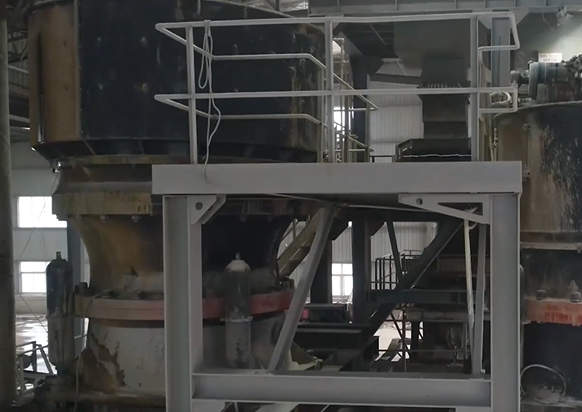
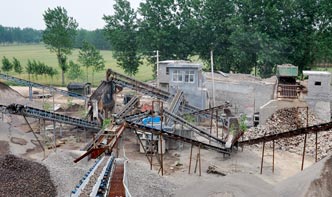
A quarry in Texas upgraded its crushing circuit by integrating a vibrating feeder with a jaw crusher (primary) and an impact crusher (secondary). The optimized hopper design reduced material segregation and improved overall throughput by 20%, enhancing profitability.
Selecting the right crusher—whether jaw or impact—and integrating it with an efficient feeding system is crucial for maximizing productivity in aggregate production. Advances in automation and material handling continue to drive efficiency, ensuring the industry meets growing global demand.

