Building a Rock Crusher for Gold Mining: A Comprehensive Guide
The demand for efficient rock crushing equipment has grown significantly in the gold mining sector. Crushers play a critical role in extracting gold from ore by reducing large rocks into smaller, manageable pieces for further processing. Whether for small-scale prospecting or large-scale mining operations, selecting the right crusher design is essential for optimizing productivity and minimizing operational costs.
1. Jaw Crusher – Ideal for primary crushing, it uses compressive force to break down large rocks.
2. Impact Crusher – Suitable for secondary crushing, it pulverizes ore into finer particles through high-speed impacts.
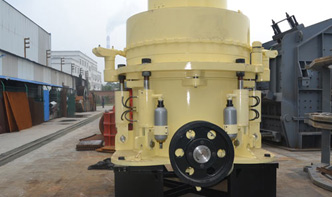
3. Cone Crusher – Best for tertiary crushing, producing uniform, high-quality aggregates.
4. Hammer Mill – Often used in small-scale operations, crushing ore into fine powder for gold extraction.
Key features to consider:
Q: What type of crusher is best for small-scale gold mining?
A: A jaw crusher or hammer mill is often preferred due to simplicity, affordability, and ease of operation.
Q: How do I maintain a rock crusher in harsh mining conditions?
A: Regular lubrication, inspection of wear parts, and timely replacement of damaged components are crucial.
Q: Can I build a DIY rock crusher for gold prospecting?
A: Yes, simple designs using steel plates and mechanical force (manual or motorized) can be constructed for basic crushing needs.
A gold mining operation in Nevada improved its recovery rate by 20% after upgrading from a basic hammer mill to a cone crusher, ensuring finer particle size for leaching processes. The new setup reduced energy consumption and increased overall throughput.
Investing in the right rock crusher enhances gold extraction efficiency while reducing operational costs. Whether custom-built or commercially manufactured, selecting a crusher that matches your mining scale and material hardness is key to maximizing returns.

