Rock Cone Crushers in Spokane, WA: Powering the Aggregates Industry
The aggregates and sand production industry is a cornerstone of infrastructure development, providing essential materials for construction, roadbuilding, and landscaping. In Spokane, WA, where natural resources like basalt, granite, and river rock are abundant, rock cone crushers play a pivotal role in processing these raw materials into high-quality aggregates.
Why Cone Crushers?
Cone crushers are a preferred choice for secondary and tertiary crushing due to their efficiency, versatility, and ability to produce uniformly shaped particles. In Spokane’s rugged terrain, these machines excel at processing hard and abrasive rocks, ensuring optimal yield for projects ranging from highway construction to concrete production. Key features include:
Applications in Spokane
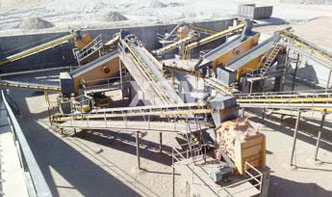
Local quarries and mining operations rely on cone crushers to meet the demands of the Pacific Northwest’s growing infrastructure needs. For example, a Spokane-based contractor recently deployed a cone crusher to process volcanic rock for a regional highway expansion, achieving 30% higher throughput compared to traditional jaw crushers.
FAQ
1. What types of rock are best suited for cone crushers?
Hard, abrasive materials like basalt, granite, and quartzite are ideal.
2. How does a cone crusher differ from a jaw crusher?
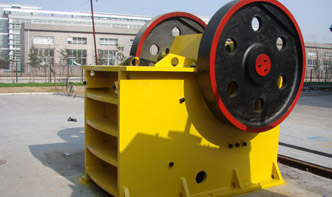
Cone crushers offer finer output and are better for secondary crushing, while jaw crushers handle primary size reduction.
3. What maintenance is required?
Regular lubrication, wear-part inspections, and monitoring of hydraulic systems are critical.
Engineering Case Study
A Spokane aggregate producer upgraded to a modern cone crusher with automated controls, reducing energy consumption by 15% and improving product consistency for asphalt mixes. The project highlighted the importance of pairing robust equipment with local geological conditions.
As Spokane continues to grow, cone crushers will remain indispensable for transforming raw rock into the building blocks of tomorrow’s infrastructure.

