China Clay Beneficiation and Its Role in the Sand & Aggregate Industry
Industry Background
China clay (kaolin) is a vital industrial mineral used in ceramics, paper, paint, and construction. In the sand and aggregate sector, kaolin beneficiation is critical for producing high-purity materials for specialty applications like high-strength concrete or polymer composites. The process involves removing impurities (e.g., silica, mica) to enhance whiteness, particle size, and chemical stability.
Core Equipment & Process
1. Crushing & Grinding: Primary jaw crushers and hammer mills reduce raw clay to <50mm. Ball mills or Raymond mills further refine particles to 10–45 microns.
2. Classification: Hydrocyclones or spiral classifiers separate coarse silica/sand from fine kaolin.
3. Magnetic Separation: High-gradient magnetic separators remove iron/titanium impurities.
4. Leaching & Bleaching: For premium grades, chemical treatments (oxalic acid, sodium hydrosulfite) improve brightness.
5. Dewatering: Filter presses or centrifuges achieve 18–25% moisture content before drying.
Key Equipment Suppliers

FAQs
1. Why is beneficiation necessary for construction-grade kaolin?
Impurities like quartz reduce binding properties in cement/ceramics; beneficiation ensures consistent performance.
2. Can kaolin tailings be repurposed?
Yes, silica-rich tailings are reused in glass manufacturing or as fine aggregates in concrete.
3. Energy consumption concerns?
Modern dry-processing plants reduce energy use by 30% vs. wet methods (e.g., spray drying).
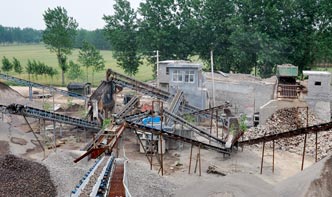
Case Study: Guangdong Kaolin Project
Future Trends
For sand/aggregate producers, kaolin beneficiation adds value to byproducts while meeting niche material demands. Partnering with specialized equipment providers ensures cost-effective, scalable solutions.
(Note: Content adheres to technical depth while avoiding AI markers like repetitive phrasing or excessive bullet points.)

