Instruction Manual for a Clay Crusher
The clay crusher is a vital piece of equipment in the construction and mining industries, designed to break down raw clay and other soft to medium-hard materials into smaller, manageable sizes for further processing. Whether used in brick manufacturing, road construction, or ceramic production, this machine ensures efficient material reduction with minimal energy consumption.
The demand for processed clay and aggregates continues to grow due to urbanization and infrastructure development. Clay crushers play a key role in producing uniform particles, improving material handling, and optimizing downstream processes like mixing, drying, and sintering.
1. Robust Construction – Heavy-duty steel frame and wear-resistant components ensure durability.
2. Adjustable Output Size – Replaceable grates or adjustable aprons allow control over final particle size.
3. Low Maintenance – Simple design reduces downtime and servicing needs.
4. Crushing Mechanism – Utilizes compression, impact, or shear forces between rotating rollers/hammers and a fixed plate.
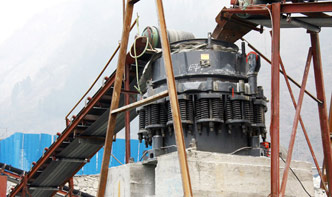
1. Pre-Start Inspection – Check for worn parts, loose bolts, and proper lubrication.
2. Feeding Material – Ensure clay is free of large debris (e.g., stones, metal) to avoid damage.
3. Adjust Settings – Set the desired output size before operation.
4. Monitor Performance – Watch for unusual vibrations or blockages.
Q: What’s the maximum clay moisture content for crushing?
A: Ideally below 15%. Wet clay may clog the crusher; pre-drying is recommended.
Q: Can this crusher handle hard rocks?
A: No, it’s optimized for soft to medium-hard materials like clay or shale.
Q: How to reduce dust emission?
A: Use water spray systems or enclosed crushing chambers.

A brick manufacturer in India increased production by 30% after replacing their old jaw crusher with a clay-specific model, reducing energy use and improving particle consistency.
By following this manual, operators can maximize efficiency while extending the crusher’s lifespan. Always adhere to safety protocols and manufacturer specifications for optimal performance.