Copper Ore Washing Plants in Mining: A Comprehensive Guide
The mining industry relies heavily on efficient ore processing to extract valuable metals like copper. Copper ore washing plants play a critical role in this process, removing impurities and improving ore quality before further processing.
Industry Background
Copper is a vital metal used in construction, electronics, and renewable energy. However, raw copper ore often contains clay, silt, and other contaminants that hinder extraction. Washing plants address this by scrubbing and separating impurities, ensuring higher-grade feed for downstream processes like crushing, grinding, and flotation.
Core Components of Copper Ore Washing Plants
1. Scrubbers: Aggressively clean ore by rotating drums with water, breaking down clay and sticky materials.
2. Screens: Separate washed ore by size, ensuring uniform particles for subsequent crushing.
3. Hydrocyclones: Use centrifugal force to remove fine impurities from slurry.
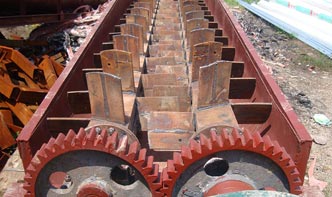
4. Log Washers: Ideal for heavily contaminated ores, employing paddles to dislodge stubborn materials.
Key Benefits
FAQs
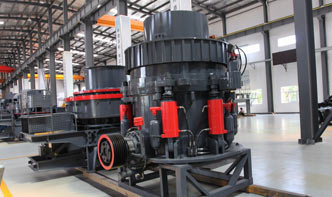
Q: How does a washing plant integrate with crushing systems?
A: Washed ore is typically fed directly into primary crushers, ensuring efficient size reduction.
Q: What are common challenges in copper ore washing?
A: High clay content can cause blockages; robust scrubbers and adjustable water flow mitigate this.
Q: Can these plants handle other ores?
A: Yes, with adjustments, they can process iron, gold, and bauxite ores.
Engineering Case Study
A Chilean copper mine faced low recovery rates due to clay-rich ore. After installing a custom washing plant with log washers and hydrocyclones, copper concentrate grades improved by 15%, and processing costs dropped by 20%.
Conclusion
Copper ore washing plants are indispensable in modern mining, optimizing ore quality and operational efficiency. As demand for copper grows, advancements in washing technology will continue to drive sustainability and productivity in the sector.

