The Evolution of Dredge Gold Mining Equipment and Its Role in Aggregate Production
The global demand for high-quality sand, gravel, and crushed stone—collectively known as aggregates—has surged due to rapid urbanization and infrastructure development. Among the various methods of extraction, dredge gold mining equipment has emerged as a versatile solution, particularly in riverbeds and alluvial deposits where sand and gravel coexist with mineral-rich sediments.
Aggregates are essential for construction, concrete production, and road building. Traditional mining methods often involve large-scale excavation, but dredging offers a more efficient alternative, especially in water-rich environments. Originally designed for gold recovery, modern dredges have been adapted for aggregate extraction, combining sediment removal, classification, and dewatering processes.
1. Cutter Suction Dredges: Equipped with rotating cutters, these dredges loosen underwater material, which is then pumped to processing plants. They excel in continuous operation with minimal environmental disruption.
2. Bucket-Wheel Dredges: Ideal for finer sediments, these systems use a wheel with buckets to scoop and transport material, ensuring precise grading.
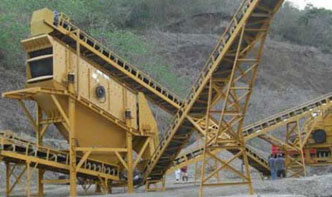
3. Processing Plants: Integrated screening and washing systems separate aggregates by size while removing impurities. Advanced hydrocyclones and log washers enhance material quality.
Key advancements include automated controls for efficiency, eco-friendly designs to reduce turbidity, and modular setups for easy relocation.
Q: Can dredging equipment be used for both mining and aggregate production?
A: Yes. Modern dredges are adaptable, with adjustable settings to target either mineral concentrates or clean aggregates.
Q: How does dredging compare to dry mining?
A: Dredging minimizes land disturbance and water usage while improving material consistency. However, it requires accessible water sources.
Q: What are the environmental concerns?
A: Sediment displacement and habitat disruption are challenges, but silt curtains and controlled discharge systems mitigate impacts.
A project in Southeast Asia utilized a cutter suction dredge to extract sand from a river delta. The system processed 500 tons/hour, yielding perfectly graded sand for concrete, while a secondary circuit recovered trace gold. This dual-output approach maximized ROI and reduced waste.
Dredge technology bridges mining and aggregate industries, offering scalability and sustainability. As demand grows, integrating smart systems and eco-conscious designs will define the next generation of equipment. Whether for gold or gravel, the future lies in efficient, multi-purpose extraction.

