The Essential Guide to Jaw Crushers in Aggregate Processing
The aggregate and sand production industry is a cornerstone of modern construction, providing the raw materials for infrastructure, roads, and buildings. Among the key equipment in this sector, jaw crushers stand out for their reliability and efficiency in primary crushing applications.
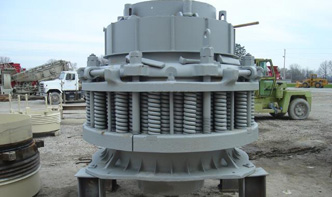
With urbanization and infrastructure development accelerating globally, demand for high-quality aggregates has surged. Jaw crushers, like the Model 4450, are critical for reducing large rocks into manageable sizes, ensuring optimal feed for secondary crushers and screening systems. Their robust design makes them ideal for hard, abrasive materials such as granite, basalt, and recycled concrete.
1. High Crushing Capacity – Engineered for heavy-duty performance, the Model 4450 handles large feed sizes with ease, delivering consistent output for downstream processing.
2. Durable Construction – Fabricated from high-strength steel, it withstands extreme operating conditions while minimizing wear on critical components like the toggle plate and jaw dies.
3. Adjustable Settings – Hydraulic or mechanical CSS (closed-side setting) adjustment allows operators to fine-tune product size distribution.
4. Energy Efficiency – Advanced kinematics reduce power consumption per ton of material processed, lowering operational costs.
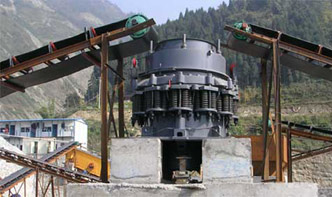
Q: What is the maximum feed size for the Model 4450?
A: Typically up to 36 inches (900mm), depending on material hardness and crusher configuration.
Q: Can it process recycled concrete?
A: Yes, but wear parts may require more frequent replacement due to abrasion from rebar and contaminants.
Q: How does maintenance compare to other crushers?
A: Jaw crushers generally have simpler maintenance requirements than cone crushers, with accessible wear parts.
A quarry in Texas upgraded to the Model 4450 to replace an aging primary crusher. The result was a 20% increase in throughput and reduced downtime due to its superior reliability. The adjustable CSS also allowed the production of multiple aggregate grades without major reconfiguration.
Jaw crushers like the Model 4450 remain indispensable in aggregate processing, offering a balance of durability, efficiency, and versatility. As the industry evolves, advancements in automation and wear materials will further enhance their role in sustainable construction.
For operators seeking a proven solution for high-volume primary crushing, the Model 4450 represents a strategic investment in productivity.

