The Process Flow Diagram for Mining Ore Extraction in the Aggregate Industry
The mining and aggregate industry plays a pivotal role in supplying raw materials for construction, infrastructure, and industrial applications. One of the most critical processes in this sector is ore extraction, which involves several stages to transform raw materials into usable aggregates like sand and gravel. Here’s a detailed look at the process flow diagram (PFD) for mining ore extraction, focusing on crushing and sand-making equipment.
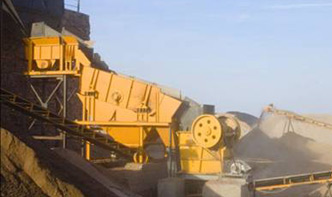
The demand for high-quality aggregates has surged due to rapid urbanization and infrastructure development. Natural sand shortages and environmental regulations have further emphasized the need for manufactured sand (M-sand) produced through ore crushing and screening.
The typical ore extraction process includes the following stages:
Q: What’s the advantage of M-sand over natural sand?
A: M-sand has better consistency, fewer impurities, and reduces environmental impact.
Q: How to select the right crusher for ore processing?
A: Consider ore hardness, feed size, required output, and production capacity.
Q: Can waste rock be repurposed?
A: Yes, overburden and tailings can be used for road base or land reclamation.
A quarry in Australia adopted a three-stage crushing system with a VSI crusher, increasing M-sand production by 30% while reducing energy consumption. The final product met ASTM standards for concrete mixing.
Efficient ore extraction and crushing processes are essential for sustainable aggregate production. By optimizing equipment selection and flow design, operators can achieve higher yields, lower costs, and compliance with environmental standards.

