Quarry Tile vs. Slate: Applications in Aggregate and Sand Production
The construction and mining industries rely heavily on durable materials for crushing, screening, and processing aggregates. Two commonly used materials—quarry tile and slate—serve distinct purposes in sand and gravel production.
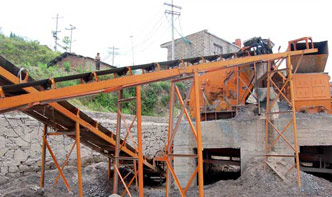
Aggregate processing demands wear-resistant surfaces to handle abrasive materials like granite, basalt, or limestone. Equipment linings, hoppers, and chutes often use quarry tile or slate to extend service life and reduce maintenance costs.
| Feature | Quarry Tile | Slate |
|—————|————————–|————————–|
| Durability | High abrasion resistance | High impact resistance |
| Application | Crusher linings, chutes | Flooring, walkways |
| Maintenance | Low; easy to clean | Requires periodic sealing|
Q: Which is better for a primary crusher lining?
A: Quarry tile suits abrasive but low-impact zones, while slate is better for high-traffic areas.
Q: Can slate replace quarry tile in sand screens?
A: No—slate lacks the consistent thickness needed for precision screening.
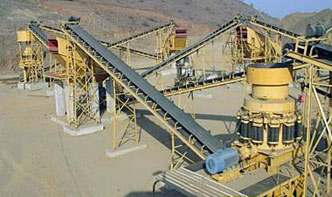
A Texas quarry replaced worn steel chutes with quarry tile linings, reducing downtime by 40%. Meanwhile, a Canadian plant used slate flooring to improve worker safety in wet processing areas.
Choosing between quarry tile and slate depends on operational needs—abrasion resistance versus impact durability. Proper selection enhances efficiency and reduces lifecycle costs in aggregate production.

