Silica Sand Primary Crusher Manufacturer: Key Insights into the Aggregate Industry
The global demand for silica sand and crushed aggregates continues to rise, driven by construction, glass manufacturing, and industrial applications. As a critical component in infrastructure development, high-quality silica sand requires efficient processing, starting with primary crushing. Selecting the right primary crusher manufacturer is essential for optimizing productivity, reducing operational costs, and ensuring consistent output.
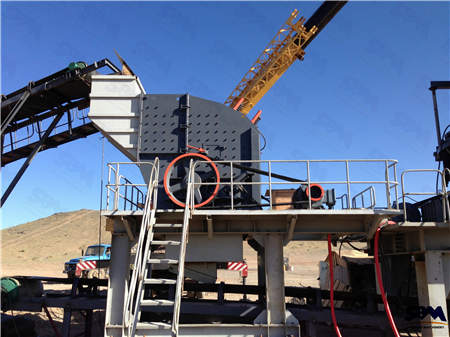
Silica sand, a fundamental raw material, is widely used in concrete, ceramics, water filtration, and hydraulic fracturing. The crushing process begins with primary crushers—typically jaw crushers or gyratory crushers—which reduce large raw materials into manageable sizes for further refinement. Leading manufacturers design robust, low-wear crushers capable of handling abrasive silica content while minimizing downtime.
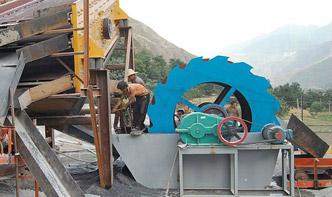
1. Material Hardness & Abrasiveness: Silica sand’s high abrasiveness demands crushers with wear-resistant linings (e.g., manganese steel).
2. Capacity & Efficiency: Modern crushers integrate automation for real-time adjustments, improving throughput and energy efficiency.
3. Maintenance & Durability: Easy-access designs reduce service interruptions, while modular components extend equipment lifespan.
4. Environmental Compliance: Dust suppression systems and noise reduction technologies align with stricter environmental regulations.
Q: What type of crusher is best for silica sand?
A: Jaw crushers are ideal for primary crushing due to their high reduction ratio and ability to handle large feed sizes. For higher-capacity operations, gyratory crushers may be preferred.
Q: How to minimize wear in silica sand crushing?
A: Opt for crushers with replaceable wear parts and ensure regular maintenance. Hardfacing or ceramic linings can further enhance durability.
Q: What are the key maintenance practices?
A: Routine inspections of bearings, lubrication systems, and wear components are critical. Monitoring vibration and temperature helps detect early failures.
A silica sand producer in Texas upgraded to a jaw crusher with advanced hydraulic adjustment, achieving a 30% increase in throughput while reducing energy consumption by 15%. The crusher’s modular design allowed swift replacement of wear parts, cutting downtime by 40%.
Choosing a reputable silica sand primary crusher manufacturer involves evaluating material compatibility, operational efficiency, and long-term reliability. Innovations in crushing technology continue to redefine performance standards, ensuring sustainable production in the aggregates sector.