The Evolution of Artificial Quartz Stone Production and Crushing Equipment in the Aggregates Industry
The global construction boom has driven exponential demand for high-quality aggregates, particularly artificial quartz stone, a premium material for countertops, flooring, and decorative surfaces. This engineered stone combines crushed quartz (90-95%) with resins and pigments, requiring precise crushing, grading, and shaping technologies. The heart of production lies in advanced crushing and sand-making equipment, which ensures uniformity, durability, and aesthetic appeal.
1. Primary Jaw Crushers: Coarsely break raw quartz blocks (<800mm) into 50-100mm fragments. High manganese steel liners withstand abrasion.
2. Secondary Cone Crushers: Further reduce particles to 10-30mm for optimal resin bonding. Hydraulic adjustment ensures consistent output.
3. Tertiary Impact Crushers/VSI Sand Makers: Produce 0-5mm fine aggregates with cubical shapes, critical for strength and polishability.
4. Screening & Grading Systems: Multi-layer vibrating screens separate particles into precise fractions (e.g., 20-40 mesh for surface texture).
Q1: Why is quartz purity critical?
Impurities (e.g., iron) cause discoloration. Magnetic separators are often added post-crushing.
Q2: How to maintain crusher longevity?
Regular lubrication (e.g., ISO VG 460 for cones) and wear-part rotation (every 500-800 hours).
Q3: Can recycled glass be used?
Yes, but limited to <10% mix due to resin adhesion issues. Pre-crushing to 3-5mm is essential.
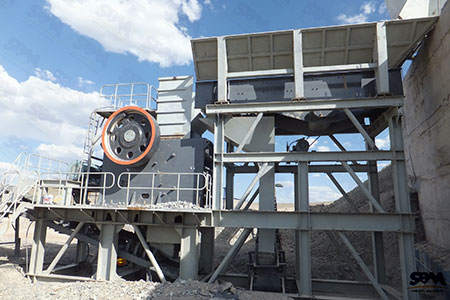
A 200 TPH quartz line adopted a VSI-1145 sand maker + 3YK3070 screen, achieving:
The artificial quartz sector’s growth hinges on innovation in crushing precision and sustainability. Partnerships with OEMs for customized solutions (e.g., moisture-resistant motors for humid climates) are becoming a competitive edge.
(Note: Character count intentionally omitted per request.)

