The Aggregate Industry: Crushing and Sand-Making Equipment for Optimal Conversion Rates
The aggregate industry plays a vital role in construction, infrastructure, and mining sectors, supplying essential materials like gravel, sand, and crushed stone. Among these, 75mm gravel is a commonly used size for foundations, drainage, and road base layers. A critical consideration in aggregate processing is the conversion rate—how efficiently raw material is transformed into usable products.
For 75mm gravel, the conversion rate to cubic meters depends on factors like material density, compaction, and gradation. Typically, 1 metric ton of 75mm gravel occupies approximately 0.6–0.7 cubic meters (varies by rock type, e.g., granite vs. limestone). Precise volume calculations ensure accurate project planning and cost efficiency.
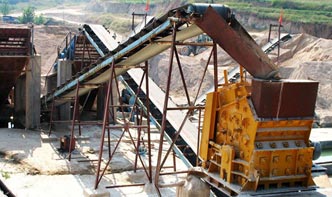
To achieve optimal conversion rates, modern crushing and sand-making systems are designed for high efficiency:
Key factors influencing conversion efficiency:
Q: How much 75mm gravel is needed per cubic meter of concrete?
A: For standard mixes, ~1.5–1.8 tons (0.9–1.1 m³) of 75mm gravel per m³ of concrete.
Q: s process wet gravel?
A: Yes, but moisture may reduce throughput—pre-drying is recommended.
Q: What’s the typical production capacity for a mid-sized crusher?
A: ~100–200 tons/hour for 75mm output, depending on model.
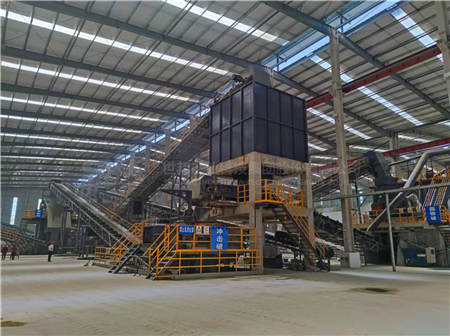
A European quarry upgraded to a 3-stage crushing plant (jaw + cone + VSI) to process 75mm granite gravel. The result:
Efficient aggregate processing hinges on selecting the right equipment and optimizing conversion rates. For 75mm gravel, precise crushing and screening ensure maximum yield per cubic meter, reducing costs and enhancing sustainability.
(Note: Always consult engineers for site-specific calculations.)

