Sustainable Stone Crushing Solutions for Kerala’s Construction Boom
Kerala’s rapid urbanization and infrastructure development have intensified the demand for high-quality sand and aggregates. However, traditional quarrying and crushing methods often raise environmental concerns, including dust pollution, noise, and habitat destruction. To address these challenges, eco-friendly stone crushers are emerging as a viable solution, balancing productivity with sustainability.
Kerala’s construction sector relies heavily on manufactured sand (M-Sand) and crushed stone due to restrictions on river sand mining. The state government promotes M-Sand as a sustainable alternative, driving the adoption of advanced crushing equipment. Modern crushers prioritize energy efficiency, low emissions, and minimal water usage, aligning with Kerala’s strict environmental regulations.
1. Dust Suppression Systems – Integrated water sprays or dry fog systems reduce airborne particles.
2. Noise Reduction Technology – Soundproof enclosures and vibration-damping materials mitigate operational noise.
3. Energy Efficiency – Hybrid or electric-powered models lower carbon footprints.
4. Closed-Loop Recycling – Some units reuse water and filter slurry for zero-waste operations.
Q: How does M-Sand compare to river sand?
A: M-Sand offers superior consistency, fewer impurities, and better bonding with cement, making it ideal for concrete.
Q: Are eco-crushers cost-effective?
A: While initial costs may be higher, long-term savings on water, energy, and compliance penalties justify the investment.
Q: What are the permitting requirements?
A: Kerala requires clearance from the State Pollution Control Board and adherence to sustainable mining guidelines.
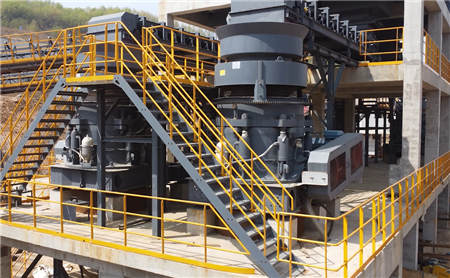
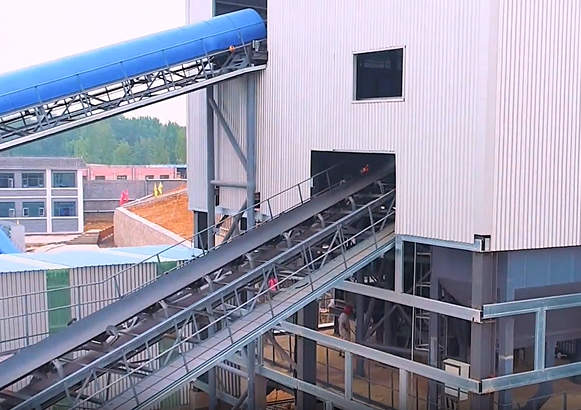
A leading contractor deployed a 200 TPH cone crusher with dust control systems for the Thrissur-Kochi highway. The project achieved 30% lower emissions than conventional methods and sourced recycled aggregates from demolished structures.
Kerala’s shift toward green construction demands innovative crushing solutions. By adopting environmentally conscious equipment, the industry can meet infrastructure needs while preserving the state’s ecological balance.

