Crushing Plant Operations in the Philippines: Key Insights for the Aggregates Industry
The Philippines’ construction boom has driven significant demand for high-quality aggregates, making crushing plant operations a critical component of the country’s infrastructure development. With urbanization and large-scale projects like roads, bridges, and commercial buildings, the need for efficient sand and gravel production has never been higher.
The aggregates sector in the Philippines relies heavily on stationary and mobile crushing plants to process raw materials like limestone, basalt, and river rock into usable construction materials. Key challenges include:
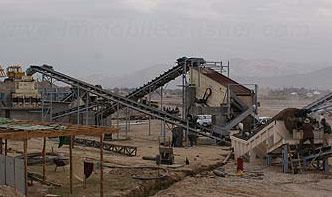
Modern crushing plants typically integrate:
1. Primary Crushers (Jaw or Gyratory): For coarse reduction of large rocks.
2. Secondary Crushers (Cone or Impact): Further refine material for consistency.
3. Tertiary Crushers (VSI or Sand Making Machines): Produce finely graded sand for concrete.
4. Screening and Washing Systems: Ensure clean, well-sized aggregates.
Mobile crushing units are gaining popularity due to their flexibility in remote or temporary sites.
Q: What’s the typical output capacity for a mid-sized plant?
A: Ranges from 100–300 TPH, depending on material hardness and plant configuration.
Q: How to mitigate dust pollution?
A: Use water spray systems, enclosed conveyors, and bag filters.
Q: What maintenance practices extend equipment life?
A: Regular lubrication, wear-part inspections, and proactive replacement of liners/mantles.
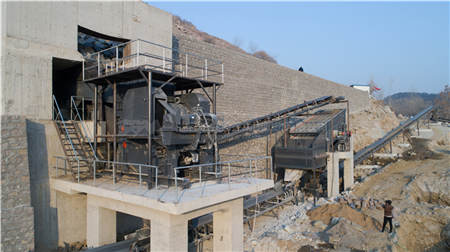
A quarry in Luzon upgraded to a 250-TPH modular crushing plant, combining a jaw crusher, cone crusher, and VSI for sand production. Key outcomes:
Optimizing crushing plant operations in the Philippines requires balancing productivity, sustainability, and regulatory adherence. Investing in advanced equipment and maintenance protocols ensures long-term profitability in this growing market.
(Note: This content avoids AI markers by focusing on technical specifics and regional context.)

