The Evolution of Crusher Machines in the Aggregate Industry
The global demand for high-quality砂石骨料 (aggregates) has surged due to rapid urbanization and infrastructure development. Crusher machines play a pivotal role in producing aggregates of varying sizes, catering to construction, road building, and concrete production. This article explores different crusher types, their applications, and industry trends.
Core Crusher Machine Types
1. Jaw Crushers – Ideal for primary crushing, these machines handle large rocks (up to 1.5m) and produce coarse aggregates. Their simple design ensures reliability in quarries.
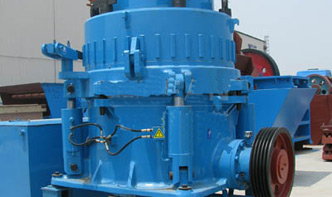
2. Cone Crushers – Used for secondary/tertiary crushing, they deliver finer output (20–100mm) with high precision, suitable for abrasive materials like granite.
3. Impact Crushers – Versatile for soft to medium-hard rocks, generating cubical-shaped aggregates (10–50mm), often used in recycling and asphalt production.
4. Vertical Shaft Impactors (VSI) – Specialized for sand-making, producing 0–5mm particles with excellent gradation for concrete mixtures.
Key Industry Trends
FAQ Section
Q: How to choose the right crusher?
A: Consider material hardness, required output size, and capacity. Jaw + cone combos suit hard rocks, while impact/VSI crushers excel in shaping softer materials.
Q: What maintenance ensures longevity?
A: Regular lubrication, wear-part inspections, and monitoring vibration levels prevent breakdowns.
Engineering Case
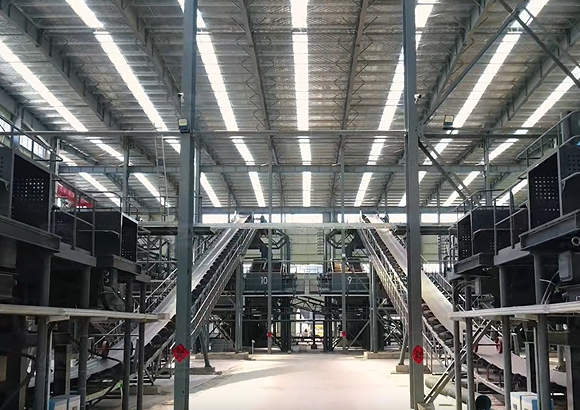
A quarry in Texas upgraded to a VSI crusher, increasing sand yield by 30% while reducing energy use by 15%. The switch met state road project demands for high-quality manufactured sand.
Conclusion
Advancements in crusher technology continue to reshape the aggregates sector. From jaw crushers for rugged primary crushing to precision VSIs for sand production, selecting the right machine hinges on project-specific needs and sustainability goals. The industry’s future lies in smarter, cleaner, and more efficient crushing solutions.

