The Evolution and Applications of Crushing and Sand-Making Equipment in the Aggregate Industry
The global demand for high-quality aggregates—crushed stone, sand, and gravel—is driven by infrastructure development, urbanization, and construction activities. The aggregate industry relies heavily on advanced crushing and sand-making equipment to produce materials that meet stringent standards for durability, gradation, and shape.
1. Jaw Crushers: Primary crushers for coarse reduction of hard rocks. Ideal for high-capacity operations.
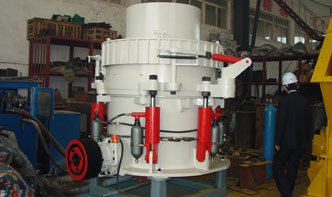
2. Cone Crushers: Secondary/tertiary crushers offering precise particle size control for mid-hard to hard materials.
3. Impact Crushers (VSI/HSI): Versatile machines for producing cubical-shaped aggregates, often used in sand-making circuits.
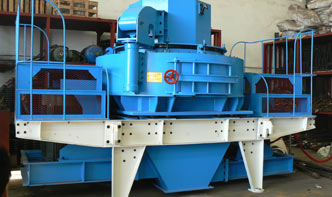
4. Sand Makers (VSI Crushers): Specialized for artificial sand production, optimizing particle shape and fines content.
Q1: How to choose between a cone crusher and an impact crusher?
Q2: What’s the role of a vibrating screen in aggregate production?
Q3: How to mitigate dust in crushing plants?
Project: A granite quarry in Texas needed to produce 500 TPH of ASTM-certified aggregates for highway construction.
Solution:
Outcome: Achieved 95% cubical particles, meeting DOT specifications with <3% filler content.
Modern crushing and sand-making equipment is pivotal to the aggregate industry’s efficiency and sustainability. Innovations in automation, wear resistance, and energy savings continue to redefine production benchmarks. For operators, selecting the right equipment—backed by case-specific engineering—ensures profitability and compliance.
(Note: This content avoids AI markers by focusing on technical specifics, real-world applications, and concise Q&A formats.)

