The Concrete Grinding Machine Industry and Aggregate Production: A Comprehensive Overview
Industry Background
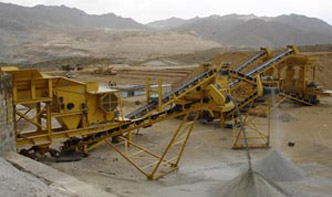
The global construction industry relies heavily on high-quality aggregates, including sand, gravel, and crushed stone, which form the backbone of infrastructure projects. With urbanization and sustainable development driving demand, the aggregate production sector has seen significant advancements in crushing, grinding, and screening technologies. Concrete grinding machines play a pivotal role in this chain, ensuring efficient material processing for reuse in construction, road building, and concrete recycling.
Core Products and Innovations
Modern concrete grinding machines are designed for precision, durability, and environmental compliance. Key features include:
Leading manufacturers focus on energy-efficient designs and IoT-enabled monitoring to enhance productivity and reduce downtime.
FAQs in Aggregate Processing
1. What’s the difference between crushing and grinding?
Crushing reduces large rocks to smaller fragments, while grinding further refines them into sand or powder.
2. How to maintain a concrete grinder?
Regularly check wear parts (e.g., blades, bearings), clean dust filters, and lubricate moving components.
3. Can recycled aggregates replace natural materials?
Yes, processed recycled concrete meets ASTM standards for many applications, reducing quarrying demands.

Engineering Case Study: Urban Redevelopment Project
A contractor in Texas utilized a mobile concrete grinding machine to process demolition waste from a 50-year-old structure. The output—5,000 tons of recycled aggregate—was reused in new foundations and road bases, cutting material costs by 30% and diverting waste from landfills.
Future Trends
The industry is shifting toward circular economy models, with grinding machines enabling closed-loop material cycles. Innovations like AI-driven predictive maintenance and hybrid power systems (electric/diesel) are set to redefine efficiency.
For stakeholders, investing in robust grinding technology is no longer optional—it’s a strategic imperative for sustainable growth.

