Recycling Conveyor Belts in Australia: A Sustainable Approach for the Aggregates Industry
The Australian aggregates industry is a cornerstone of construction and infrastructure development, producing millions of tonnes of sand, gravel, and crushed stone annually. With sustainability becoming a priority, recycling conveyor belts has emerged as a key practice to reduce waste and lower operational costs.
Industry Background
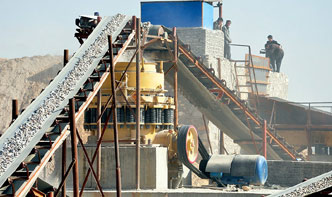
Conveyor belts are vital in quarries and mining sites, transporting raw materials to crushers, screens, and stockpiles. Over time, these belts wear out and are often discarded, contributing to landfill waste. However, Australia’s focus on circular economy principles has driven innovations in belt recycling, turning old belts into reusable materials like rubber mulch, industrial mats, or even new conveyor components.
Product Core: Recycling Process
1. Collection & Sorting: Worn-out belts are collected from sites and sorted by material type (e.g., rubber, fabric, steel cords).
2. Shredding & Granulation: Belts are shredded into smaller pieces, with steel reinforcements removed for separate recycling.
3. Repurposing: The rubber is processed into granules for use in road bases, playground surfaces, or new conveyor belts.
Benefits
FAQs
1. Can all types of conveyor belts be recycled?
Most rubber and fabric belts are recyclable, but PVC belts may require specialized handling.
2. How long does the recycling process take?
Depending on volume, processing can take days to weeks.
3. Are there incentives for recycling conveyor belts?
Some states offer rebates or tax benefits for sustainable waste practices.
Case Study
A Queensland quarry partnered with a local recycling firm to repurpose 50 tonnes of old conveyor belts. The recycled rubber was used to create erosion control mats for nearby construction projects, saving AUD 15,000 in disposal costs and supporting community sustainability goals.
Conclusion
Recycling conveyor belts is a practical step toward greener operations in Australia’s aggregates sector. By adopting these practices, businesses can enhance efficiency, meet environmental standards, and contribute to a circular economy.

