Iron Ore Processing in Australia: Key Equipment and Industry Insights
Australia is a global leader in iron ore production, with vast deposits in the Pilbara region and beyond. The processing of iron ore involves several stages, including crushing, screening, grinding, and beneficiation, to produce high-quality feedstock for steel production. Central to this process are robust crushing and screening equipment designed to handle the abrasive nature of iron ore.
Iron ore mining in Australia is dominated by hematite and magnetite ores, which require different processing approaches. Hematite, typically found in the Pilbara, is easier to process due to its higher iron content, while magnetite requires additional grinding and magnetic separation. The industry demands durable, high-capacity equipment to maximize efficiency and minimize downtime in harsh mining conditions.
1. Primary Crushers: Jaw crushers and gyratory crushers are commonly used for initial size reduction. Models like the C200 or CG820 are favored for their high throughput and reliability.
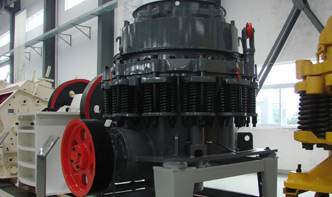
2. Secondary & Tertiary Crushing: Cone crushers (e.g., MVP series) and high-pressure grinding rolls (HPGR) further reduce ore to finer particles.
3. Screening: Vibrating screens (e.g., Schenck Process or DF series) classify crushed ore into sizes suitable for grinding or direct shipping.
4. Grinding Mills: Ball mills and SAG mills are critical for magnetite processing, where ultra-fine grinding is necessary for liberation.
5. Beneficiation Equipment: Magnetic separators and cyclones remove impurities, improving ore grade.
Q: What is the typical size range for iron ore after primary crushing?
A: Primary crushing usually produces ore fragments of 150–300 mm, which are further reduced in secondary stages.
Q: How is magnetite processed differently from hematite?
A: Magnetite requires fine grinding and magnetic separation due to its lower iron content, whereas hematite often undergoes simple crushing and screening.
Q: What are the key maintenance considerations for iron ore crushers?
A: Regular inspection of wear parts (mantles, concaves) and lubrication systems is critical to avoid unplanned downtime.
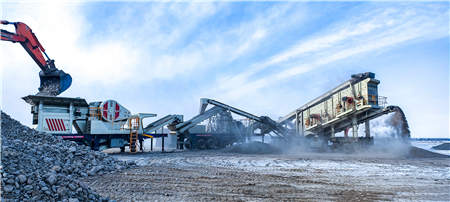
A major Pilbara mine upgraded its crushing circuit with CH860 cone crushers, achieving a 20% increase in throughput while reducing energy use by 15%. The solution included advanced automation for real-time performance monitoring.
Australia’s iron ore sector relies on advanced crushing and grinding technologies to maintain its competitive edge. Investing in high-quality, wear-resistant equipment and optimizing processing flows are essential for meeting global demand. As the industry evolves, innovations in automation and sustainability will further shape its future.

