Bentonite Quarry Equipment and the Aggregate Industry: A Comprehensive Overview
The global demand for bentonite and other construction aggregates continues to rise, driven by infrastructure development, urbanization, and mining activities. Bentonite, a versatile clay mineral, is widely used in foundry, oil drilling, and environmental engineering. Its extraction and processing require specialized quarry equipment, including crushers, screens, and grinding mills, to produce high-quality material for industrial applications.
Similarly, the broader sand and gravel industry relies on efficient crushing and screening equipment to produce aggregates for concrete, road construction, and other civil engineering projects. With sustainability and automation becoming key trends, manufacturers are innovating to deliver energy-efficient, high-performance solutions.
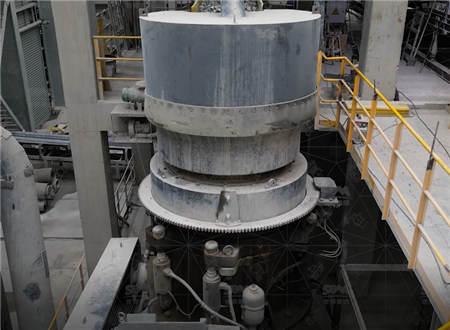
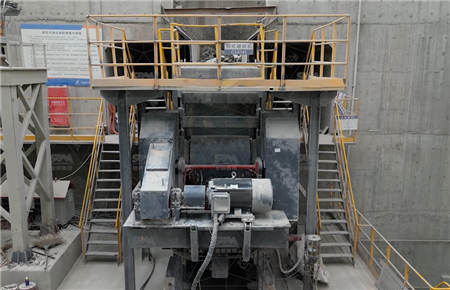
1. Jaw Crushers – Ideal for primary crushing of bentonite and hard rock, offering high reduction ratios and durability.
2. Cone Crushers – Used for secondary and tertiary crushing, ensuring precise particle size control.
3. Impact Crushers – Suitable for producing cubical aggregates, commonly applied in sand-making processes.
4. Vibrating Screens – Essential for grading bentonite and aggregates into different sizes.
5. Grinding Mills – For ultrafine bentonite processing in industries like ceramics and chemicals.
Modern equipment incorporates automation (e.g., IoT-enabled monitoring) to optimize throughput, reduce downtime, and improve safety.
Q: What factors should be considered when selecting quarry equipment?
A: Key considerations include material hardness, required output size, production capacity, and energy efficiency. Site conditions (e.g., space, climate) also matter.
Q: How can bentonite processing reduce environmental impact?
A: Dust suppression systems, water recycling, and electric-powered machinery help minimize emissions and resource consumption.
Q: What maintenance practices extend equipment lifespan?
A: Regular lubrication, wear-part inspections, and real-time monitoring prevent unexpected failures.
A bentonite quarry in Wyoming, USA, upgraded its crushing line with a jaw crusher and cone crusher combo, increasing production by 30% while reducing energy use. Automated screening improved product consistency, meeting API standards for drilling-grade bentonite.
As the bentonite and aggregate industries evolve, equipment manufacturers must focus on innovation, sustainability, and reliability. Investing in advanced technology ensures long-term operational efficiency and compliance with environmental regulations. Whether processing bentonite for industrial use or producing aggregates for construction, selecting the right equipment is critical for profitability and performance.

