The Impact of Limestone Mining on Agriculture and the Role of Crushing Equipment
Industry Background
Limestone mining is a critical activity for producing construction materials, cement, and agricultural lime. However, its extraction can significantly affect surrounding farmland, altering soil composition, drainage patterns, and crop productivity. Balancing mining with sustainable agriculture requires advanced crushing and sand-making equipment to minimize environmental disruption while meeting industrial demands.
Core Products: Crushing and Sand-Making Equipment
Modern limestone processing relies on efficient crushing systems to transform raw stone into usable aggregates or agricultural lime. Key equipment includes:
1. Jaw Crushers: Primary crushing for large limestone blocks.
2. Impact Crushers: Secondary crushing to produce uniform particle sizes.
3. Cone Crushers: Fine crushing for high-quality aggregates.
4. Vertical Shaft Impactors (VSI): Shaping sand and fine particles for construction or soil amendment.
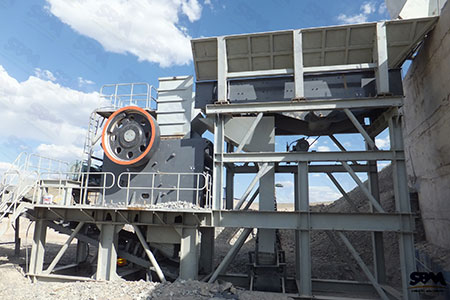
These machines reduce waste, optimize resource use, and mitigate dust pollution—critical for protecting adjacent farmland.
Mitigating Agricultural Impact
To address farming concerns, mining operators adopt measures like:
FAQ Section
Q: How does limestone dust affect crops?
A: Excessive dust can block sunlight and clog plant stomata, reducing photosynthesis. Proper crushing equipment with enclosures minimizes this risk.
Q: Can crushed limestone benefit agriculture?
A: Yes! Processed limestone (as aglime) neutralizes acidic soils, improving crop yields.
Q: What’s the optimal crusher for agricultural lime production?
A: Hammer mills or roll crushers are ideal for fine, consistent lime powder.
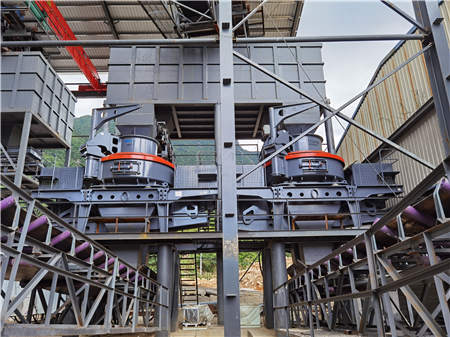
Engineering Case Study
A project in Iowa, USA, used mobile cone crushers to process limestone near soybean fields. By deploying closed-loop dust control and phased mining, crop productivity remained stable while supplying materials for regional infrastructure.
Conclusion
Responsible limestone mining hinges on advanced crushing technology and ecological safeguards. Collaborating with agricultural stakeholders ensures sustainable resource use, benefiting both industries.

