The Role of Hammer Crushers in the Aggregate and Sand Production Industry
The global construction industry relies heavily on high-quality aggregates and manufactured sand (M-sand) as fundamental materials for infrastructure projects. With natural sand resources depleting and environmental regulations tightening, the demand for efficient crushing equipment like hammer crushers has surged.
Industry Background
Aggregates—crushed stone, gravel, and sand—form the backbone of roads, buildings, and concrete structures. Traditional jaw and cone crushers dominate primary crushing, but hammer crushers excel in secondary and tertiary stages, particularly for softer materials like limestone, coal, and recycled concrete. Their ability to produce uniformly sized output makes them ideal for sand production and shaping.
Core Advantages of Hammer Crushers
1. High Reduction Ratio: Hammer crushers deliver a crushing ratio of 10:1 to 25:1, significantly higher than many alternatives.
2. Versatility: They handle wet or sticky materials better than cone crushers, reducing clogging risks.
3. Cost-Effectiveness: Simplified design with fewer moving parts lowers maintenance costs.
4. Adjustable Output: By altering grate openings or hammer configurations, operators control particle size for specific applications (e.g., 0-5mm for M-sand).
Common FAQs
A: Hammer crushers use hinged hammers on a rotating shaft to strike material, while impact crushers employ hammers fixed to rotors and incorporate impact plates for additional fragmentation.
A: Yes, but wear-resistant alloys or replaceable liners are recommended to extend service life.
A: Inspect hammers, grates, and bearings every 200-300 operating hours; replace worn parts promptly.
Engineering Case Study
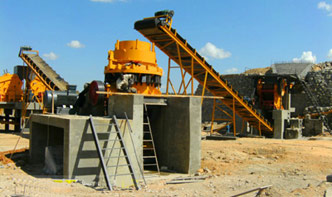
A Malaysian quarry producing M-sand for concrete replaced its vertical shaft impact (VSI) crusher with a heavy-duty hammer crusher to address high silica content causing excessive wear. The switch reduced downtime by 30% and improved product gradation, meeting ASTM C33 standards.
Conclusion
Hammer crushers are pivotal in modern aggregate processing, balancing efficiency, flexibility, and operational cost. As sustainability drives innovation, their role in recycling construction waste and producing eco-friendly M-sand will expand further.
(Note: For detailed technical specifications, consult equipment manufacturers or engineering guidelines.)

