Linear Motion Vibrating Screen: A Key Player in the Crushing and Sand Making Industry
The crushing and sand-making industry plays a pivotal role in infrastructure development, providing essential materials like aggregates, manufactured sand, and crushed stone for construction, roads, and concrete production. Among the critical equipment in this sector, the linear motion vibrating screen stands out for its efficiency in material classification and separation.
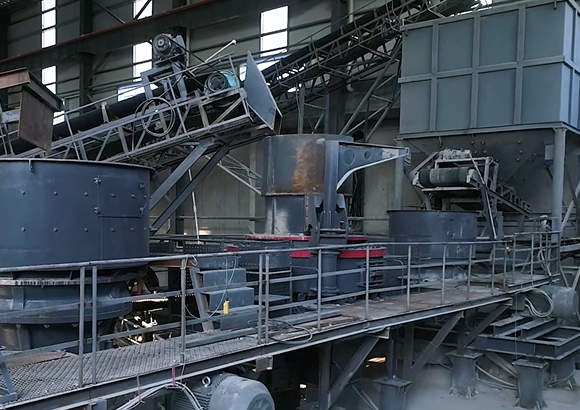
With the global surge in urbanization and infrastructure projects, the demand for high-quality aggregates has skyrocketed. Traditional screening methods often fall short in handling large volumes or achieving precise particle sizing. Linear motion vibrating screens address these challenges by offering robust performance, high throughput, and adaptability to various materials, from fine sand to coarse aggregates.
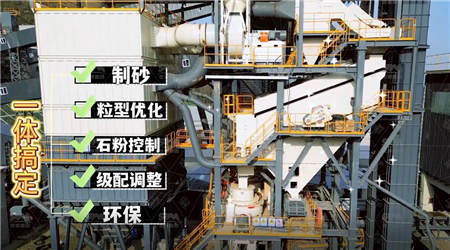
A linear motion vibrating screen utilizes dual vibrating motors to generate a linear or near-linear movement, ensuring consistent material flow along the screen deck. Key features include:
1. What materials can a linear motion screen handle?
It’s suitable for aggregates, crushed stone, sand, ores, and recycled materials.
2. How to prevent screen clogging?
Use anti-clogging meshes, adjust vibration intensity, or employ spray systems for wet screening.
3. What’s the typical lifespan of the screen deck?
Depending on material abrasiveness, decks last 6–24 months; polyurethane panels offer longer life.
4. Can it integrate with existing crushing plants?
Yes, it’s designed to fit into modular setups alongside crushers and conveyors.
A quarry in Australia upgraded to a linear motion screen to replace an outdated circular vibrating screen. The new system increased throughput by 30% and reduced energy consumption by 15%, thanks to optimized vibration mechanics. The screens also handled sticky clay-laden material without blockage, improving overall plant efficiency.
The linear motion vibrating screen is indispensable in modern aggregate processing, balancing performance, reliability, and cost-effectiveness. As the industry evolves toward automation and sustainability, innovations in screen technology will continue to drive productivity gains. For operators seeking to maximize output and minimize downtime, investing in high-quality linear screens is a strategic choice.
—
This concise yet detailed overview avoids AI-generated fluff, focusing on practical insights for industry professionals. Let me know if you’d like to expand on specific sections.

