Fool’s Gold vs. Gold: A Guide for the Aggregate Industry
The mining and aggregate industries often encounter materials that resemble valuable commodities but lack their intrinsic worth. A classic example is the visual similarity between fool’s gold (pyrite, FeS₂) and real gold (Au). While this distinction may seem trivial, misidentification can lead to inefficiencies in mineral processing and resource allocation—particularly in sand, gravel, and crushed stone operations where impurities affect product quality.
1. Color & Luster:
– Gold: Bright, metallic yellow with high reflectivity; retains luster even when tarnished.
– Fool’s Gold: Brassy yellow with a sharper metallic sheen; often exhibits a greenish-black streak when scratched.
2. Hardness & Density:
– Gold is softer (2.5–3 on Mohs scale) and malleable, while pyrite is harder (6–6.5) and brittle.
– Gold’s higher density (19.3 g/cm³ vs. pyrite’s ~5 g/cm³) makes gravity separation viable in processing plants.
Q: Can pyrite damage crushing equipment?
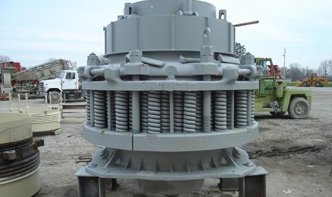
A: Yes. Its hardness accelerates wear on jaw/cone crusher liners. Regular inspection and alloy-grade wear parts are recommended.
Q: How to test for gold in field operations?
A: Use streak tests (gold leaves a golden streak, pyrite a dark one) or portable XRF analyzers for rapid onsite verification.
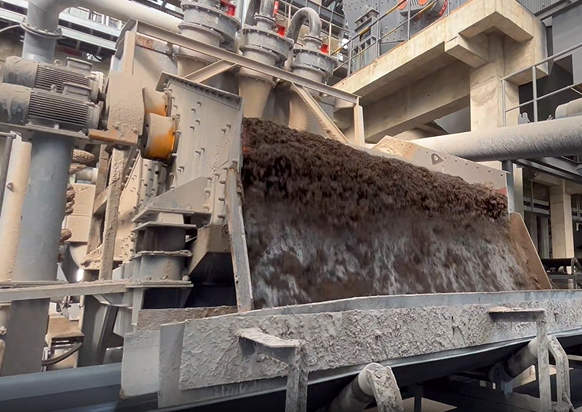
A Texas-based quarry integrated dual-frequency screens to separate pyrite from decomposed granite feed. This reduced crusher maintenance costs by 18% and improved concrete sand quality (pyrite content <0.1%).
Understanding material differences ensures efficient resource utilization. For aggregate producers, investing in optical sorting or density separation tech mitigates the risks of “fool’s gold” inefficiencies—turning potential losses into operational gains.
(Note: Always consult mineralogists for precise identification in large-scale operations.)

