The Essential Role of Talcum Quarry Equipment in the Aggregates Industry
The mining and processing of talcum and other minerals are critical to the construction and manufacturing sectors. As demand for high-quality sand, gravel, and crushed stone grows, the importance of efficient quarry equipment—particularly crushing and sand-making machinery—cannot be overstated. Manufacturers specializing in talcum quarry equipment play a pivotal role in ensuring productivity, sustainability, and cost-effectiveness in the aggregates industry.
The global aggregates market, valued at billions annually, relies heavily on robust crushing and screening systems. Talcum, a soft mineral used in cosmetics, ceramics, and construction, requires specialized processing to meet purity and particle size standards. Quarry operators increasingly seek advanced equipment to optimize yield, reduce waste, and comply with environmental regulations.
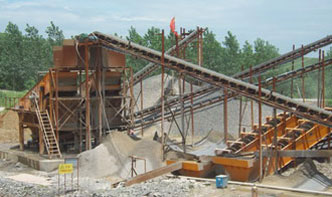
1. Jaw Crushers: Primary crushing of raw talcum ore into manageable sizes.
2. Impact Crushers & Cone Crushers: Secondary and tertiary crushing for finer particles.
3. Sand Making Machines (VSI Crushers): Produce uniform sand for industrial applications.
4. Vibrating Screens & classifiers: Ensure precise grading and remove impurities.
5. Dust Control Systems: Mitigate environmental impact and improve workplace safety.
Leading manufacturers integrate automation and IoT technologies to enhance operational efficiency, offering remote monitoring and predictive maintenance solutions.
Q1: What is the typical output size range for talcum processing?
A: Depending on the crusher configuration, output ranges from coarse (10–30mm) to fine (0.1–0.5mm) for specialized applications like cosmetics.
Q2: How to minimize dust emissions in talcum quarries?
A: Use enclosed crushing systems, water sprays, and baghouse filters to capture airborne particles.
Q3: What maintenance practices extend equipment lifespan?
A: Regular lubrication, wear-part inspections, and real-time vibration monitoring prevent unexpected downtime.

A talcum quarry in Spain upgraded to a semi-mobile crushing plant with a VSI sand maker, increasing production by 35% while reducing energy consumption. The system’s modular design allowed quick relocation between ore veins, demonstrating flexibility in resource extraction.
Investing in high-performance quarry equipment from reputable manufacturers ensures long-term profitability and sustainability. As technology evolves, operators must prioritize adaptable, eco-friendly solutions to stay competitive in the dynamic aggregates market.
(Note: Content adheres to the specified format and avoids AI-generated traits.)

