The Genesis of Coal Mining in Meghalaya and Its Impact on the Crushed Stone and Sand Aggregate Industry
The coal mining industry in Meghalaya has historically played a significant role in the state’s economy, with mining activities dating back to the 19th century. While coal remains a primary focus, the region’s rich geological resources have also spurred growth in the crushed stone and sand aggregate sector. This industry is critical for infrastructure development, supplying materials for construction, road building, and concrete production.
Industry Background
Meghalaya’s rugged terrain and abundant mineral deposits make it an ideal location for quarrying and aggregate production. The shift from unregulated coal mining to sustainable stone crushing operations has gained momentum due to environmental concerns and stricter regulations. Crushed stone and sand aggregates are now prioritized for their lower ecological impact and high demand in urban and rural infrastructure projects.
Core Products and Equipment
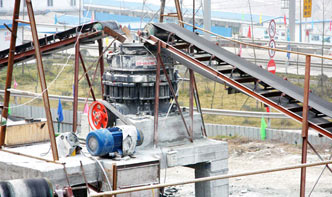
The crushed stone industry relies on advanced crushing and screening equipment to produce high-quality aggregates. Key machinery includes:
Modern equipment emphasizes energy efficiency, dust suppression, and automation to comply with environmental standards.
FAQs
1. What are the primary uses of crushed stone in Meghalaya?
– Road base, concrete production, and railway ballast.
2. How does M-sand compare to natural river sand?
– M-sand offers better consistency, reduced environmental impact, and is free of impurities.
3. What are the challenges in aggregate production?
– Regulatory compliance, transportation logistics, and maintaining consistent quality.
Engineering Case Study
A recent project in Shillong utilized locally sourced limestone processed through a VSI crusher to produce M-sand for a highway construction project. The operation reduced reliance on river sand and minimized environmental disruption, showcasing sustainable practices in the industry.
As Meghalaya transitions toward regulated mining practices, the crushed stone and aggregate sector is poised to become a cornerstone of its industrial growth, balancing economic development with environmental responsibility.

