The Essential Guide to Sand Washer Machines in the Aggregate Industry
The global demand for high-quality sand and gravel continues to rise, driven by infrastructure development, urbanization, and construction projects. In the aggregate industry, clean, well-graded sand is critical for concrete production, road building, and landscaping. However, raw sand often contains impurities like clay, silt, and organic matter, which degrade product quality. This is where sand washer machines play a pivotal role.
A sand washer (or sand washing machine) is designed to remove contaminants and improve the gradation of sand by scrubbing, washing, and dewatering. Key components include:
1. Rotating Drum or Screw: Aggregates are tumbled while water jets dislodge impurities.
2. Water Recycling System: Reduces water consumption by filtering and reusing wash water.
3. Dehydration Screen: Separates clean sand from sludge and moisture.
Common types include:

Q: How much water does a sand washer consume?
A: Modern systems recycle up to 90% of water, reducing freshwater demand.
Q: Can it handle crushed stone or only natural sand?
A: Designed for both natural and artificial sand, including crushed aggregates.
Q: What maintenance is required?
A: Regular inspection of seals, bearings, and wear parts ensures longevity.
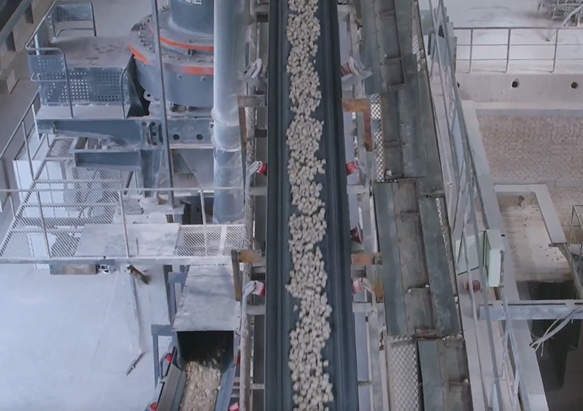
A quarry in Texas upgraded to a high-capacity spiral sand washer, increasing production by 30% while meeting ASTM C33 standards for concrete sand. The system’s closed-loop water management also helped the site comply with local environmental regulations.
Sand washer machines are indispensable in the aggregate industry, balancing productivity, sustainability, and end-product quality. Selecting the right type and maintaining it properly ensures optimal performance in sand processing operations.

