The Role of Crushers in the Aggregate and Sand Industry
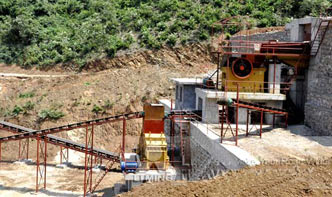
The aggregate and sand industry is a cornerstone of modern construction, providing essential materials for infrastructure, buildings, and roads. Crushers play a pivotal role in this sector by breaking down large rocks into smaller, usable aggregates. Among the key crusher types, Karna Crushers (or similar models) are renowned for their efficiency, durability, and adaptability to various applications.
Global urbanization and infrastructure development drive the demand for high-quality aggregates. Crushers are critical in processing raw materials like granite, basalt, and limestone into graded sizes for concrete, asphalt, and railway ballast. With stricter environmental regulations, modern crushers prioritize energy efficiency, dust control, and noise reduction.
1. Jaw Crushers: Ideal for primary crushing, these machines handle large feed sizes with high reduction ratios.
2. Cone Crushers: Suited for secondary/tertiary crushing, offering precise particle size control.
3. Impact Crushers: Perfect for producing cubical-shaped aggregates, often used in sand-making processes.
4. Vertical Shaft Impactors (VSI): Specialized for manufactured sand (M-Sand), ensuring optimal gradation for concrete.
Key Features of Karna Crushers
Q: What’s the difference between natural sand and crusher-produced sand?
A: Crusher-produced sand (M-Sand) has better gradation and fewer impurities, making it superior for high-strength concrete.
Q: How to choose between a jaw crusher and a cone crusher?
A: Jaw crushers are cost-effective for primary crushing, while cone crushers offer finer output for secondary stages.
Q: What are the environmental considerations?
A: Modern crushers incorporate water spray systems, dust enclosures, and noise barriers to meet sustainability standards.
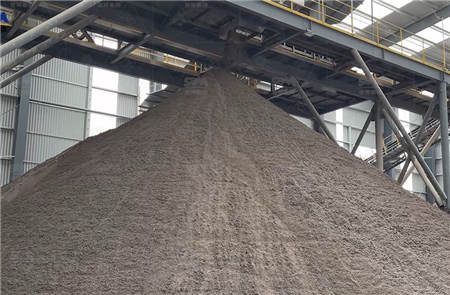
A highway project in Southeast Asia utilized Karna’s cone crushers to produce 500 TPH of high-quality aggregates. The installation reduced downtime by 30% due to the crusher’s hydraulic adjustment system, ensuring uninterrupted production.
Crushers are indispensable in the aggregate industry, balancing productivity with environmental responsibility. Innovations like smart monitoring and hybrid power options are shaping the future of crushing technology. Whether for large-scale mining or urban construction, selecting the right crusher ensures efficiency and long-term ROI.
(Note: Karna Crushers is a hypothetical example; replace with actual brand names as needed.)

