The Essential Role of Sand Plants and Stone Crushers in Modern Construction
The global construction industry relies heavily on high-quality aggregates, with sand and crushed stone being fundamental materials for infrastructure projects. Sand plants and stone crushers form the backbone of aggregate production, transforming raw materials into precisely graded construction-ready products.
Rapid urbanization and infrastructure development have driven demand for efficient aggregate processing solutions. Natural sand shortages and environmental regulations have further emphasized the need for manufactured sand (M-Sand) produced by specialized sand plants. Meanwhile, stone crushers process hard rocks into varying sizes of gravel, chips, and dust, catering to concrete, asphalt, and road base applications.
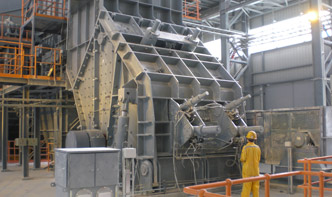
1. Stone Crushers:
– Jaw Crushers: Primary crushing for hard rocks, offering high reduction ratios.
– Cone/Impact Crushers: Secondary/tertiary crushing for finer aggregates.
– Vertical Shaft Impactors (VSI): Critical for producing cubical M-Sand with low flakiness.
2. Sand Plants:
– Integrate washing, screening, and dewatering to remove impurities and control particle size distribution.
– Advanced automation ensures consistent quality while reducing water and energy consumption.
Q: How does M-Sand compare to natural sand?
A: M-Sand offers superior consistency, higher strength (due to angular particles), and zero silt content, making it ideal for high-grade concrete.
Q: What maintenance do crushers require?
A: Regular lubrication, wear-part inspections (e.g., jaw plates, liners), and monitoring of vibration/load ensure longevity.
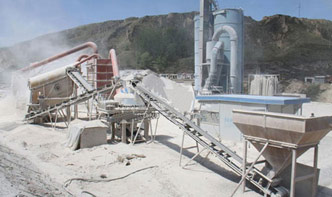
Q: Can sand plants recycle water?
A: Yes, closed-loop systems with sludge presses recycle up to 90% of water, minimizing waste.
A limestone quarry replaced its outdated crushers with a 3-stage crushing circuit (jaw + cone + VSI) and a sand plant. Output increased by 40%, while M-Sand met IS:383 standards for commercial concrete. The system’s water recycling module reduced freshwater consumption by 80%.
Sand plants and stone crushers are pivotal in meeting the world’s construction demands sustainably. Investing in modern, automated systems not only boosts productivity but also aligns with environmental goals—ensuring a steady supply of high-quality aggregates for decades to come.

