Bond Work Index and Its Application in Crushing Dolomitic Siltstones for Aggregate Production
The aggregate industry relies heavily on efficient crushing and grinding processes to produce high-quality sand and stone materials. Among the key parameters used to evaluate rock crushability, the Bond Work Index (BWI) stands out as a critical metric. This article explores the significance of BWI in processing dolomitic siltstones, a common raw material in aggregate production, and its implications for equipment selection and operational efficiency.
Dolomitic siltstones are sedimentary rocks composed of dolomite and fine-grained silt, often used in construction due to their durability and binding properties. However, their variable hardness and abrasiveness pose challenges in crushing and grinding. The Bond Work Index, developed by Fred Bond in the 1950s, measures the energy required to reduce a material’s particle size, providing a standardized way to compare different rocks’ grindability.
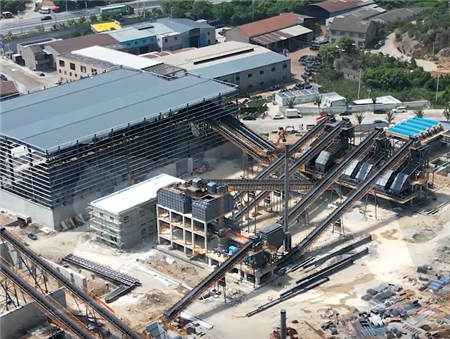
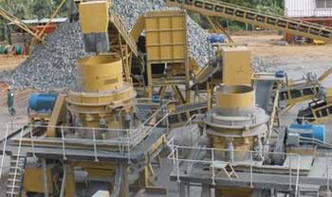
1. Crushing Equipment: For dolomitic siltstones with moderate BWI values (typically 10–15 kWh/t), jaw crushers and cone crushers are preferred for primary and secondary crushing. High-pressure grinding rolls (HPGRs) may be used for energy-efficient fine grinding.
2. Grinding Mills: Ball mills or vertical roller mills are often selected based on BWI. Higher BWI values indicate greater energy consumption, necessitating robust mill designs.
3. Wear Resistance: Due to the abrasive nature of siltstones, crusher liners and grinding media must be made from high-chromium or manganese steel to extend service life.
Q: How is the Bond Work Index tested for dolomitic siltstones?
A: Standard laboratory tests involve dry grinding the material in a Bond ball mill until a specific particle size distribution is achieved. The energy consumption is then calculated per ton of material.
Q: Can BWI values vary within the same quarry?
A: Yes, geological variations can cause BWI fluctuations. Regular testing is recommended to optimize crushing circuits.
Q: What are the alternatives if BWI is too high?
A: Pre-screening or blending with softer materials can reduce overall energy costs.
A quarry in Texas processing dolomitic siltstones optimized its circuit after BWI testing revealed an average index of 14 kWh/t. By replacing an older jaw crusher with a gyratory model and installing a secondary cone crusher with a closed-side setting adjustment, the plant achieved a 20% reduction in specific energy consumption while maintaining product quality.
Understanding the Bond Work Index of dolomitic siltstones is essential for designing cost-effective crushing and grinding systems. Proper equipment selection, wear management, and process optimization can significantly enhance productivity in the aggregates industry.

