Karnataka Stone Crusher Act 2011 and Its Impact on the Aggregate Industry
The stone crushing and sand manufacturing industry plays a pivotal role in infrastructure development, providing essential raw materials like aggregates, manufactured sand (M-Sand), and crushed stone for construction projects. In Karnataka, the Karnataka Regulation of Stone Crushers Act, 2011 was enacted to address environmental concerns, regulate illegal mining, and standardize operational practices. This legislation has significantly shaped the state’s aggregate sector, balancing economic growth with sustainability.
Karnataka’s construction boom has driven demand for high-quality aggregates. However, unregulated stone crushing operations often led to environmental degradation, dust pollution, and resource depletion. The 2011 Act introduced stricter licensing norms, zoning regulations (e.g., crushers must be 500 meters away from residential areas), and pollution control measures. Compliance requires crushers to adopt dust suppression systems, noise barriers, and water recycling facilities.
Modern stone crushers and sand plants in Karnataka now prioritize efficiency and eco-friendliness. Key equipment includes:
Manufacturers are increasingly incorporating IoT-based monitoring and hybrid power solutions to reduce carbon footprints.
1. Does the Act ban stone crushers near forests?
Yes, crushing units are prohibited within 1 km of forest boundaries unless approved by regulatory bodies.
2. What penalties apply for non-compliance?
Fines up to ₹5 lakh or imprisonment under Sections 21–22 of the Act.
3. Is M-Sand a viable alternative to river sand?
Absolutely. M-Sand offers better particle shape and consistency, complying with IS 383 standards.
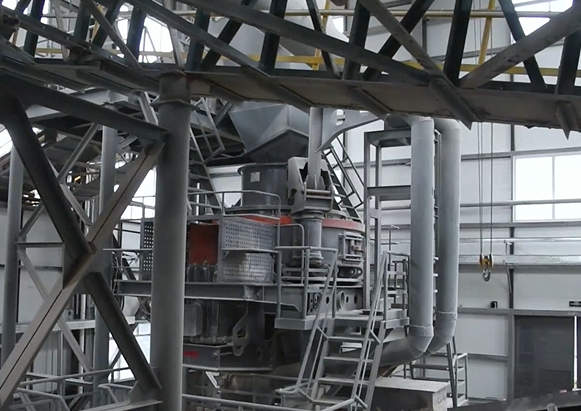
A major contractor adopted VSI crushers and wet classification systems to produce 500 TPH of M-Sand, meeting MoRTH specifications. The plant’s zero-discharge design aligned with Karnataka PCB norms, showcasing sustainable practices.
The Karnataka Stone Crusher Act, 2011, has pushed the industry toward responsible mining and advanced technology adoption. While compliance costs have risen, the long-term benefits—environmental preservation and improved product quality—are undeniable. Stakeholders must continue innovating to meet evolving regulatory and market demands.

