Sand Feeding Equipment for Sale: A Comprehensive Guide to Crushing and Sand-Making Solutions
The global construction boom has fueled unprecedented demand for high-quality sand and aggregates. As natural sand reserves deplete, manufactured sand (M-Sand) produced by crushing and sand-making equipment has emerged as a sustainable alternative. This article explores the industry landscape, core equipment features, and practical considerations for buyers.
With infrastructure projects expanding worldwide, the sand and gravel market is projected to grow at 6% CAGR through 2030. Stringent environmental regulations and the need for uniform particle size distribution have driven advancements in crushing/sand-making technology. Modern equipment prioritizes energy efficiency, automation, and adaptability to diverse raw materials (e.g., granite, limestone, river pebbles).
1. Jaw Crushers: Primary crushing for hard rocks, offering high reduction ratios and low maintenance.
2. Cone Crushers: Secondary/Tertiary crushing with precise output control, ideal for abrasive materials.
3. Vertical Shaft Impactors (VSI): Core sand-making machines that produce cubical, well-graded M-Sand by rock-on-rock or rock-on-iron crushing.
4. Sand Feeders: Critical for regulating material flow to crushers or screens, ensuring consistent throughput and preventing blockages.
Advanced Features:

Q1: What’s the typical output range for a mid-sized sand-making plant?
A: A 200–300 tph setup with VSI and screens can produce 50–100 tons of M-Sand hourly, depending on material hardness.
Q2: How to minimize dust pollution?
A: Opt for closed-loop systems with integrated dust collectors and water spray nozzles.
Q3: Which raw materials yield the best M-Sand?
A: Granite and basalt offer superior strength, while limestone is easier to process but may require additives for high-grade concrete.
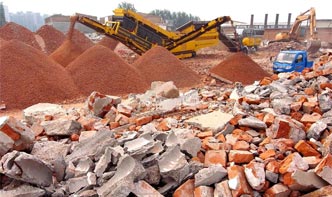
A quarry in Texas upgraded to a VSI-based sand plant, achieving:
Investing in modern sand feeding and crushing equipment requires evaluating raw materials, desired output specs, and sustainability goals. Partnering with experienced manufacturers ensures tailored solutions for long-term profitability.
(Note: Equipment specifications should be verified with suppliers based on project-specific requirements.)

