Crushing Quartz with Ultrasound: A Revolutionary Approach in the Aggregate Industry
The aggregate industry is a cornerstone of modern construction, providing essential materials like sand, gravel, and crushed stone for infrastructure projects. Traditional crushing methods, such as jaw crushers, cone crushers, and impact crushers, have long dominated the sector. However, emerging technologies like ultrasonic crushing are gaining attention for their potential to revolutionize quartz and other hard mineral processing.
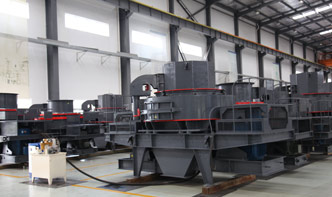
Ultrasonic crushing leverages high-frequency sound waves (typically 20 kHz to 1 MHz) to generate intense mechanical vibrations. When applied to quartz or similar materials, these waves create microscopic fractures along grain boundaries, enabling efficient fragmentation without excessive heat or dust. Unlike conventional mechanical crushers, ultrasound minimizes wear on equipment and reduces energy consumption while achieving superior particle size control.
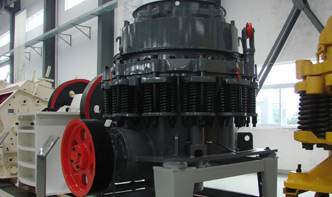
1. Precision Fragmentation: Ultrasound targets specific mineral phases, reducing overcrushing and yielding more uniform particles.
2. Energy Efficiency: Lower operational costs compared to high-power mechanical crushers.
3. Reduced Dust and Noise: A cleaner, safer workplace aligns with stricter environmental regulations.
4. Minimal Maintenance: Fewer moving parts decrease downtime and repair expenses.
While promising, ultrasonic crushing faces scalability hurdles. Current systems are best suited for fine grinding or pre-treatment stages rather than large-scale primary crushing. Additionally, the initial investment in ultrasonic equipment can be high, though long-term savings may offset this.
Q: Can ultrasonic crushing replace traditional crushers entirely?
A: Not yet. It complements existing systems, particularly in fine grinding or specialized applications.
Q: What materials besides quartz are suitable?
A: Brittle minerals like feldspar, glass, and certain ores respond well to ultrasonic processing.
Q: How does ultrasound affect product quality?
A: It produces sharper, more consistent particles, ideal for high-purity industrial uses (e.g., electronics or ceramics).
A pilot project in Bavaria integrated ultrasonic crushing into their quartz sand production line. By replacing a tertiary ball mill with an ultrasonic system, the plant achieved:
As technology advances, ultrasonic crushing could become a standard in mineral processing, especially for high-value applications. Collaboration between researchers and manufacturers is key to overcoming current limitations and unlocking its full potential.
The aggregate industry must balance innovation with practicality, but ultrasound represents a compelling step toward sustainable, efficient material processing.

