Gyratory Crushing Plant Flow Chart: A Comprehensive Guide
The aggregate and sand production industry relies heavily on efficient crushing equipment to process raw materials into high-quality construction aggregates. Among the various crushing solutions, gyratory crushers play a pivotal role in large-scale operations due to their high capacity and robustness. This article explores the gyratory crushing plant flow chart, its core components, and practical applications.
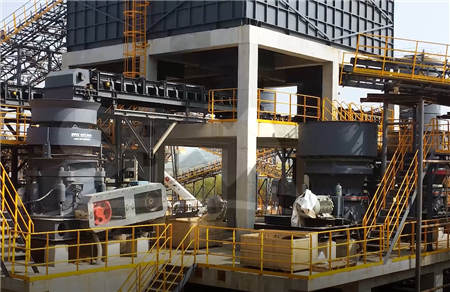
The demand for sand and aggregates continues to rise with global infrastructure development. Gyratory crushers are often employed in primary crushing stages for hard and abrasive materials like granite, basalt, and iron ore. Their unique design allows continuous operation with minimal downtime, making them ideal for high-tonnage projects such as mining and quarrying.
A typical flow chart for a gyratory crushing plant includes:
1. Feed Hopper: Raw material is loaded into the hopper, often via dump trucks or loaders.
2. Vibrating Feeder: Ensures a steady and controlled feed to the crusher.
3. Gyratory Crusher: The primary crushing unit, where materials are compressed between a fixed concave and a rotating mantle.
4. Conveyor System: Transports crushed material to secondary screening or further processing.
5. Screening Unit: Separates material into different sizes for end-use or additional crushing.
6. Stockpiling: Final products are stored for distribution or further processing.
Q: How does a gyratory crusher differ from a jaw crusher?
A: Gyratory crushers have a conical head and concave surface, allowing continuous crushing, while jaw crushers use a reciprocating motion for intermittent crushing.
Q: What maintenance is required for gyratory crushers?
A: Regular lubrication, wear part inspection (mantle/concave), and monitoring of hydraulic systems are essential.
Q: Can gyratory crushers handle wet or sticky materials?
A: Yes, but proper feed chute design and occasional cleaning may be necessary to prevent clogging.
A mining operation in Chile implemented a gyratory crushing plant to process copper ore. The plant achieved a throughput of 5,000 tons per hour with a final product size of 150mm, significantly improving downstream grinding efficiency.
Gyratory crushing plants are a cornerstone of modern aggregate and mining operations. Their efficiency, durability, and scalability make them indispensable in large-scale material processing. Understanding the flow chart and operational nuances ensures optimal performance and longevity.

