Small Scale Powder Processing Equipment in the Aggregates Industry
The aggregates industry plays a pivotal role in construction, providing essential materials like sand, gravel, and crushed stone for infrastructure projects. With the growing demand for high-quality raw materials, small-scale powder processing equipment has gained prominence, offering flexibility and efficiency for localized production.
Core Equipment for Small-Scale Processing
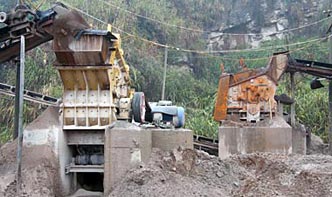
1. Jaw Crushers: Ideal for primary crushing, these machines reduce large rocks into smaller, manageable fragments. Compact models are tailored for small operations.
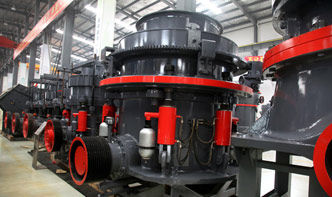
2. Impact Crushers: Suitable for secondary crushing, they produce uniformly shaped aggregates by impacting materials with high-speed rotors.
3. Hammer Mills: Efficient for fine powder production, hammer mills pulverize materials through repeated blows.
4. Ball Mills: Used for ultra-fine grinding, these rotating drums with grinding media are essential for producing high-quality powders.
Advantages of Small-Scale Systems
Common FAQs
Q1: What materials can be processed?
A: Common materials include limestone, granite, basalt, and recycled concrete.
Q2: What is the typical output capacity?
A: Small-scale systems typically produce 5–50 tons per hour, depending on the equipment configuration.
Q3: How to ensure product quality?
A: Regular maintenance, proper feed size control, and screening are critical for consistent output.
Engineering Case Study
A quarry in Southeast Asia implemented a small-scale crushing and grinding circuit to produce fine aggregates for local road construction. By using a combination of a compact jaw crusher and a hammer mill, the operation achieved a throughput of 30 tons per hour with minimal downtime.
Conclusion
Small-scale powder processing equipment offers a practical solution for localized aggregate production, balancing efficiency and affordability. As technology advances, these systems continue to bridge the gap between large industrial plants and niche market demands.

