Gold Stamp Mills and Modern Crushing Equipment: A Comprehensive Overview
The mining and aggregate industry has evolved significantly since the era of gold stamp mills, which were once pivotal for ore processing. Today, advanced crushing and sand-making equipment dominate the market, offering higher efficiency, automation, and environmental compliance.
Historically, gold stamp mills used heavy mechanical stamps to crush ore into fine particles for gold extraction. While these mills are now largely obsolete, their principles live on in modern crushers and grinding mills designed for aggregates, construction, and mining sectors. The global demand for sand, gravel, and crushed stone continues to rise, driven by infrastructure development and urbanization.
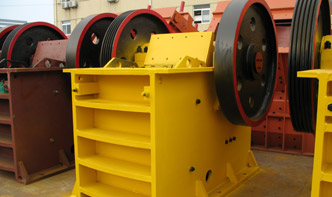
1. Jaw Crushers – Primary crushing machines ideal for hard materials like granite and basalt.
2. Cone Crushers – Secondary or tertiary crushers offering precise particle size control.
3. Impact Crushers – Versatile for soft to medium-hard materials, commonly used in recycling.
4. Vertical Shaft Impactors (VSI) – Key for producing high-quality manufactured sand (M-sand) with excellent gradation.
5. Ball Mills & Rod Mills – Modern successors to stamp mills, used for fine grinding in mineral processing.
Q: Can old gold stamp mills still be purchased?
A: Yes, but they are mostly sold as antiques or museum pieces. Modern crushers outperform them in every aspect.
Q: What’s the best equipment for producing artificial sand?
A: VSI crushers are the top choice due to their ability to shape particles and enhance gradation.

Q: How do I maintain a cone crusher?
A: Regular lubrication, wear-part inspections, and monitoring feed material size are critical.
A quarry in Australia replaced its outdated hammer mills with a VSI crusher, increasing sand production by 40% while reducing fines waste. The new system also cut energy consumption by 25%.
While gold stamp mills hold historical significance, modern crushing and sand-making equipment deliver superior performance, sustainability, and cost-effectiveness. Investing in updated technology ensures compliance with industry standards and long-term profitability.
(Note: For specific equipment inquiries, consult reputable manufacturers for tailored solutions.)

